Tōku Tūrangawaewae - My Place to Stand.
Client: Te Huarahi Linwood Avenue School, 2023
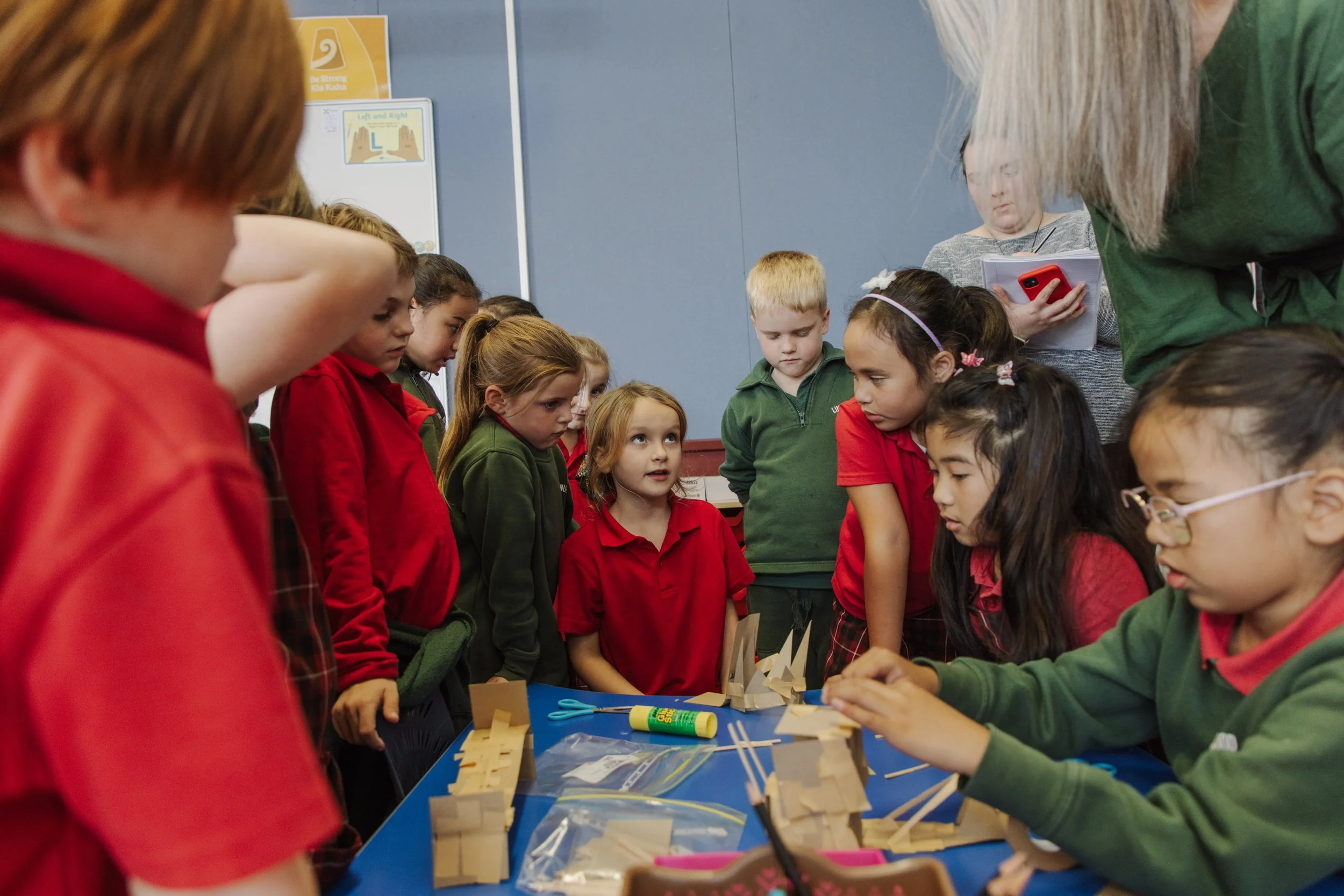
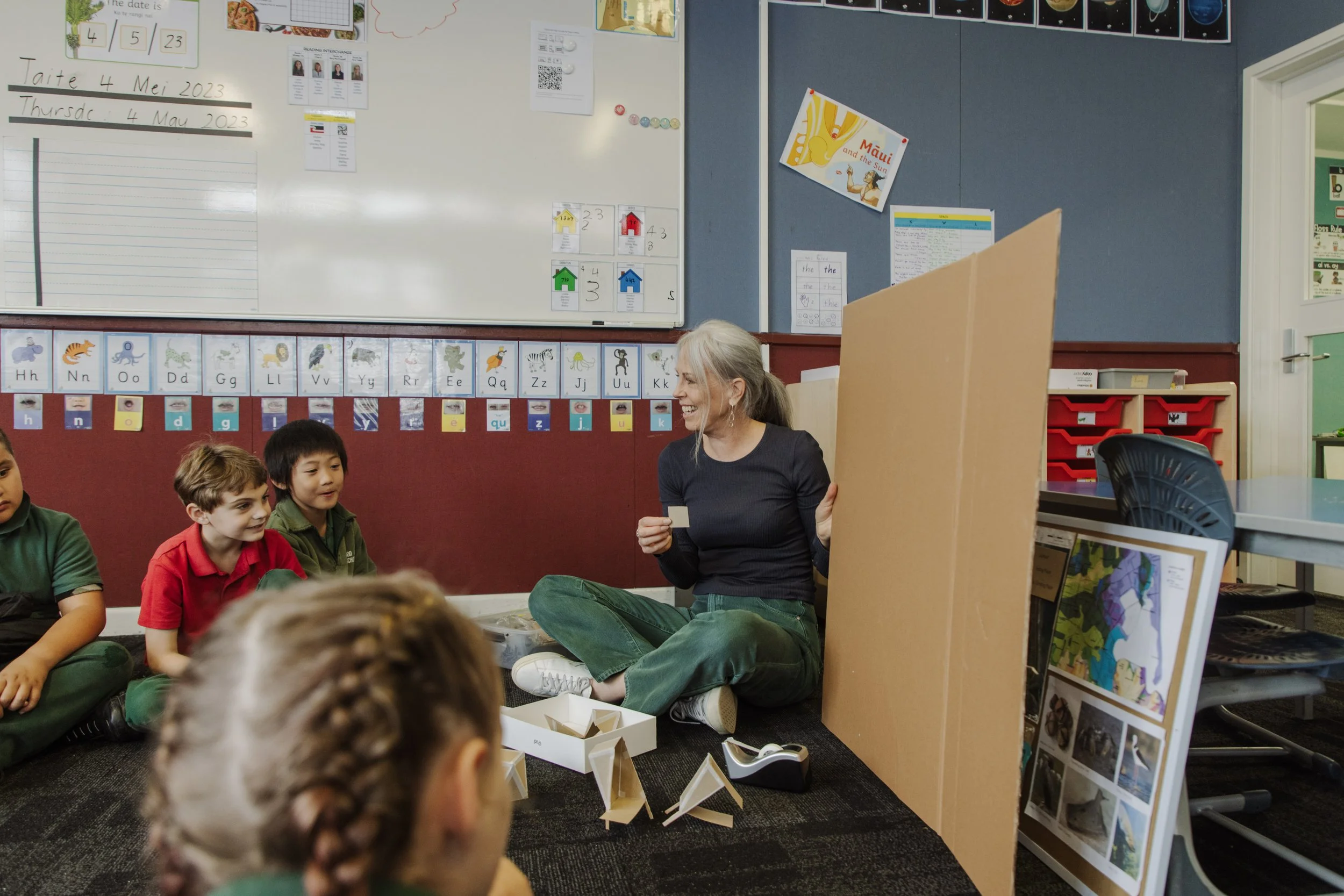
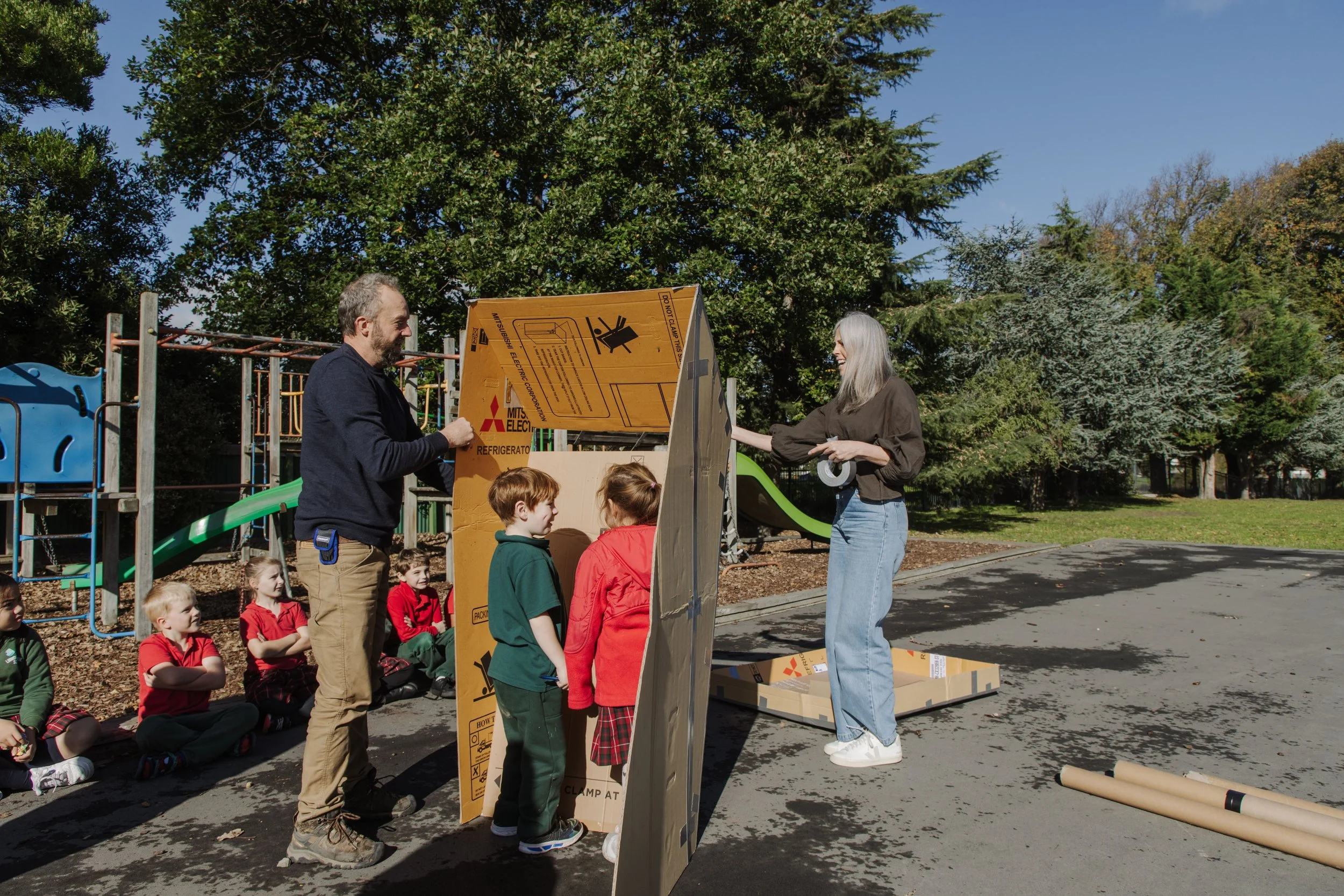
Year 2 students at Te Huarahi Linwood Avenue School worked alongside designers, teachers, and whānau to help shape a new outdoor play environment for their school. The project responded to a simple question: what might change if children were meaningfully involved in designing the spaces they use every day?
The co-design process was grounded in the school’s cultural narrative and the ecology of the surrounding area. Te Huarahi, a name gifted by Ngāi Tahu, refers to the historic pathway used by early Māori to travel between the Ōtākaro Avon River and Te Ihutai, the estuary. Through the school’s inquiry learning, children explored local ecosystems, mahinga kai, birds, plants, waterways, and stories of movement through the landscape, using these ideas to inform their designs and deepen their understanding of place.
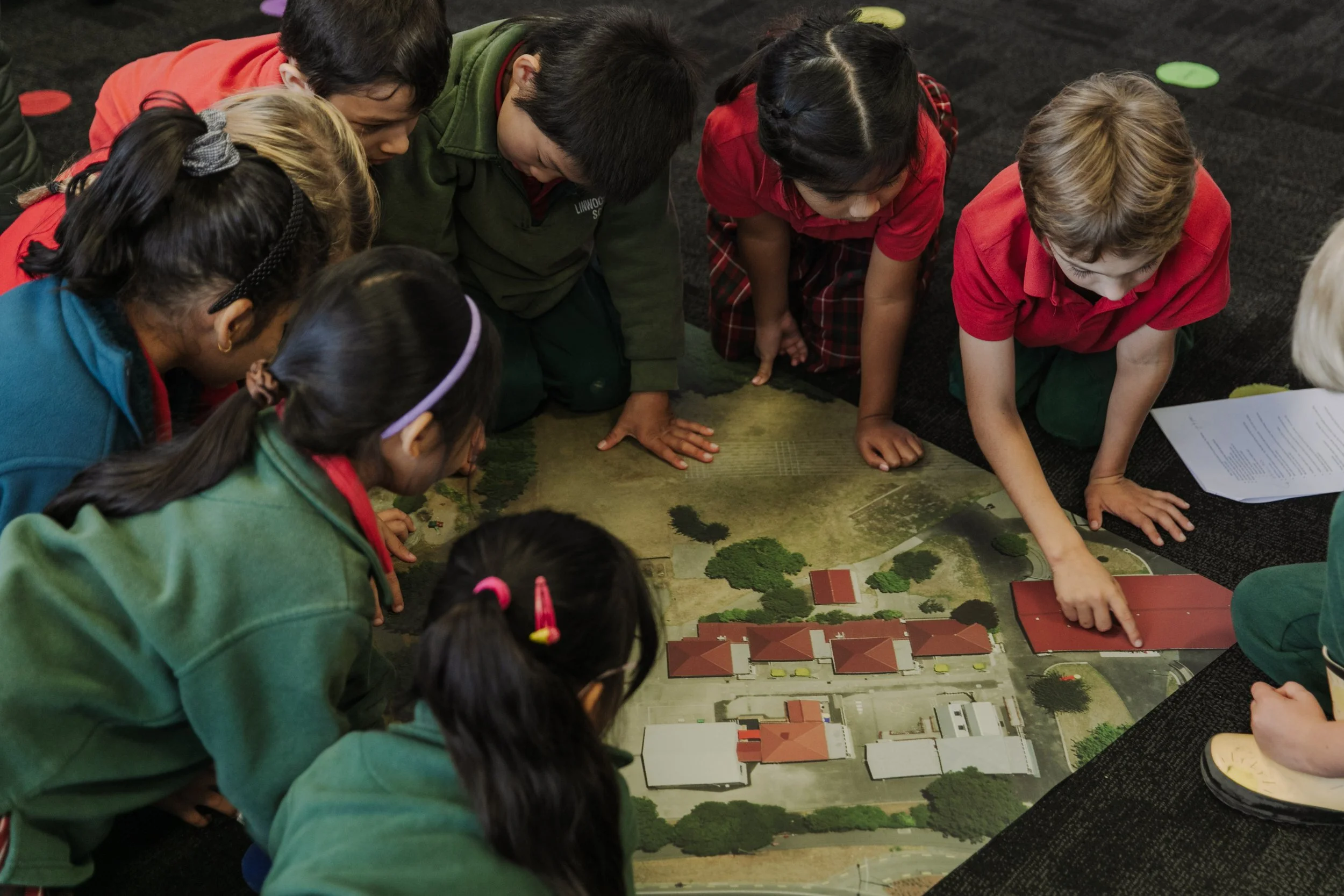
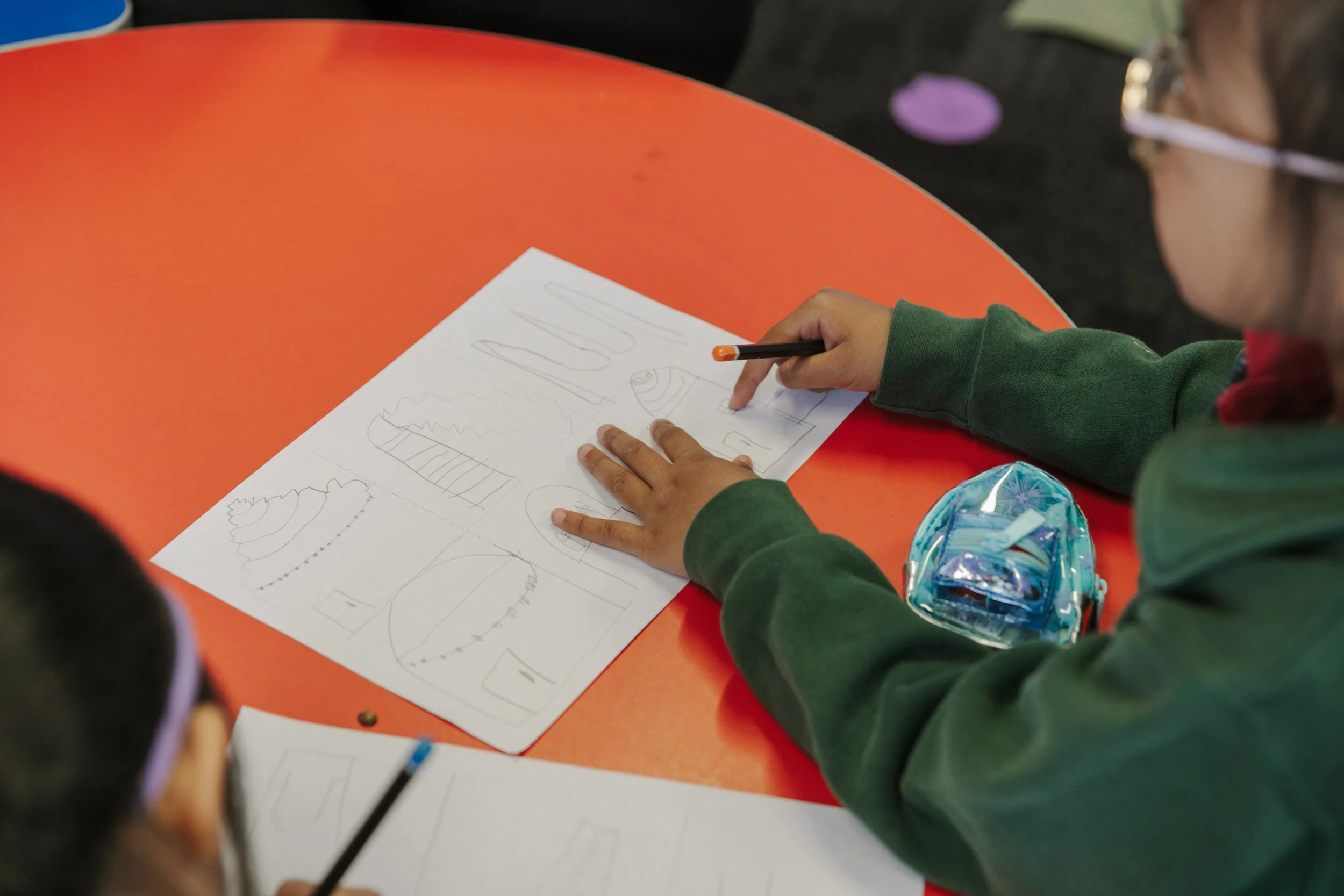
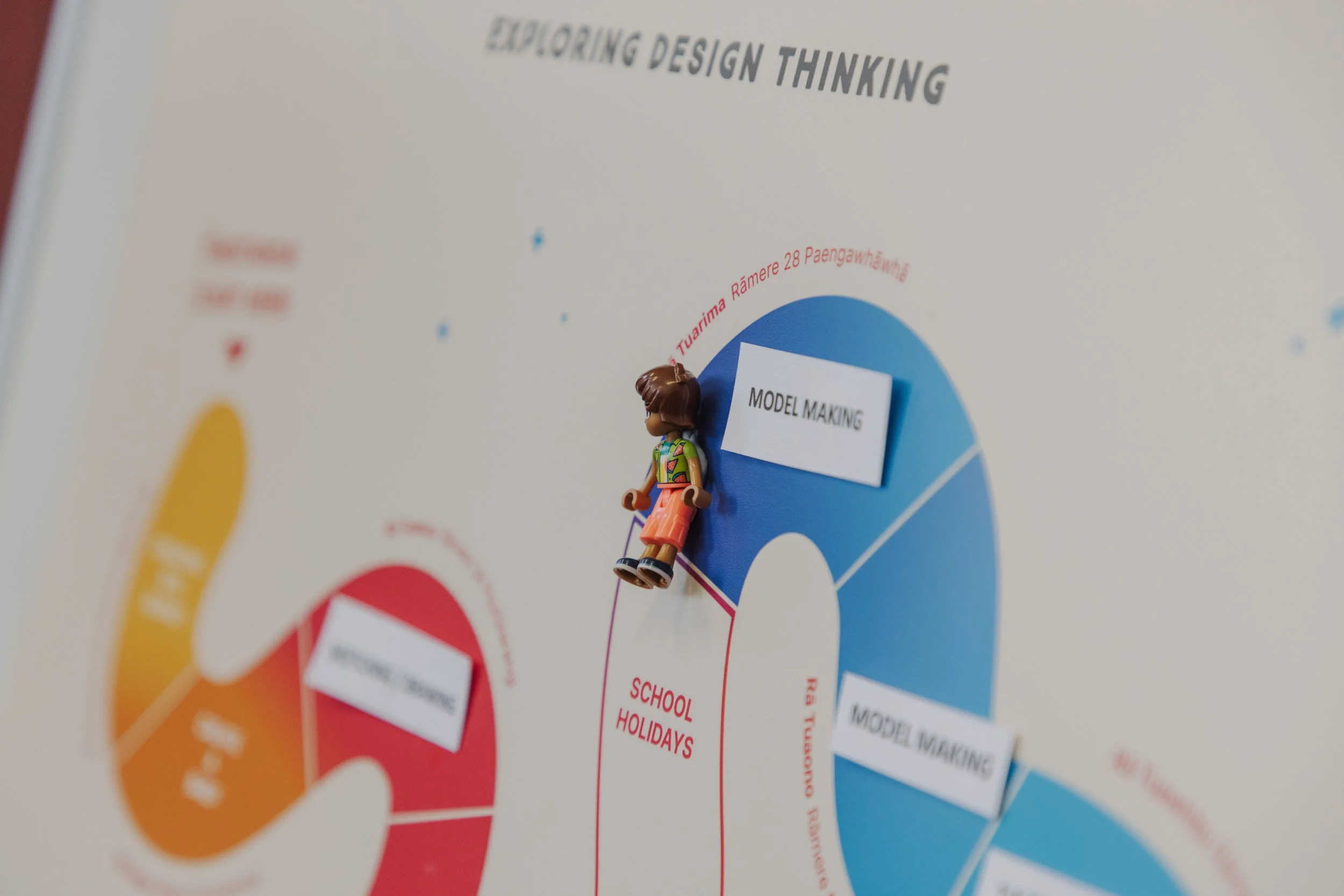
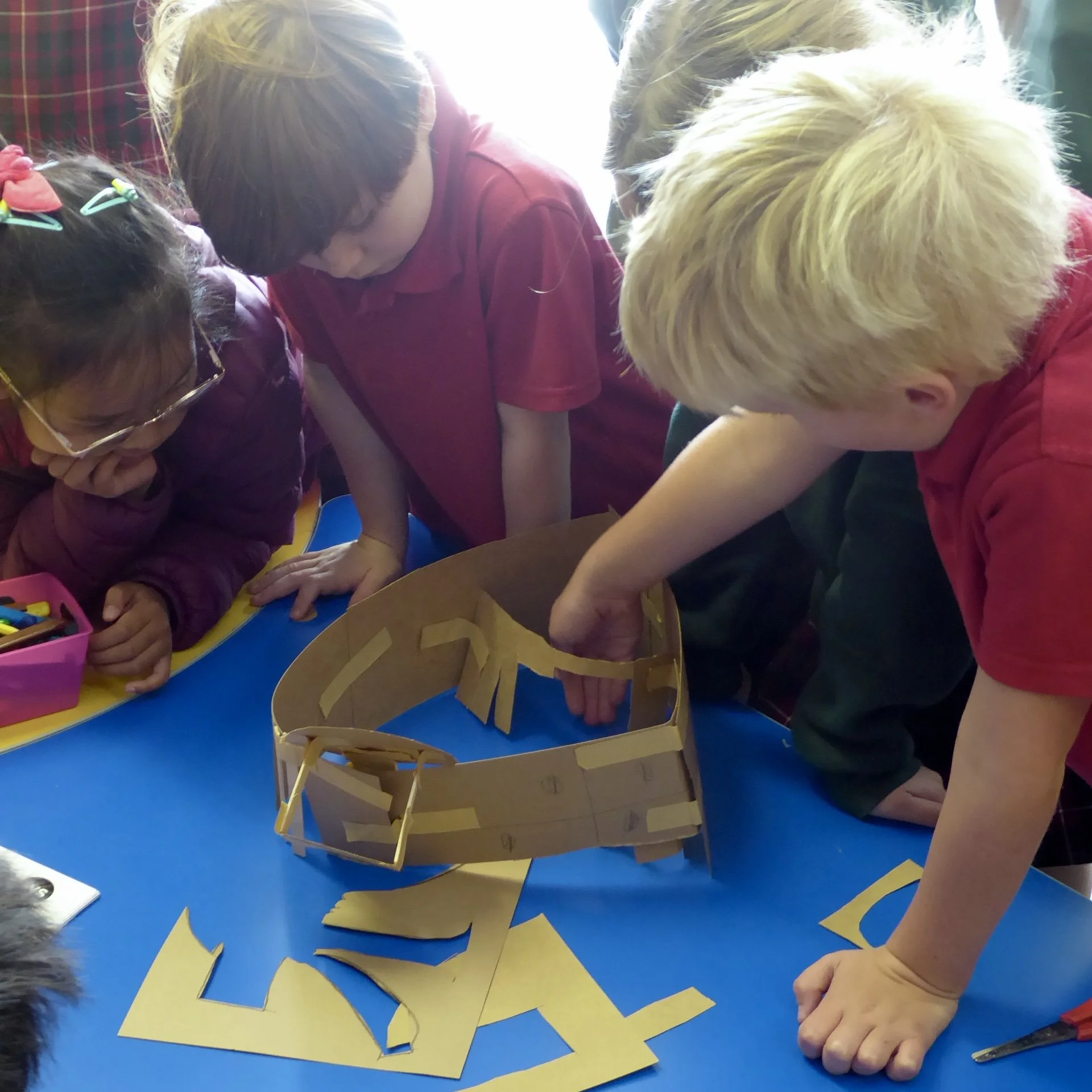
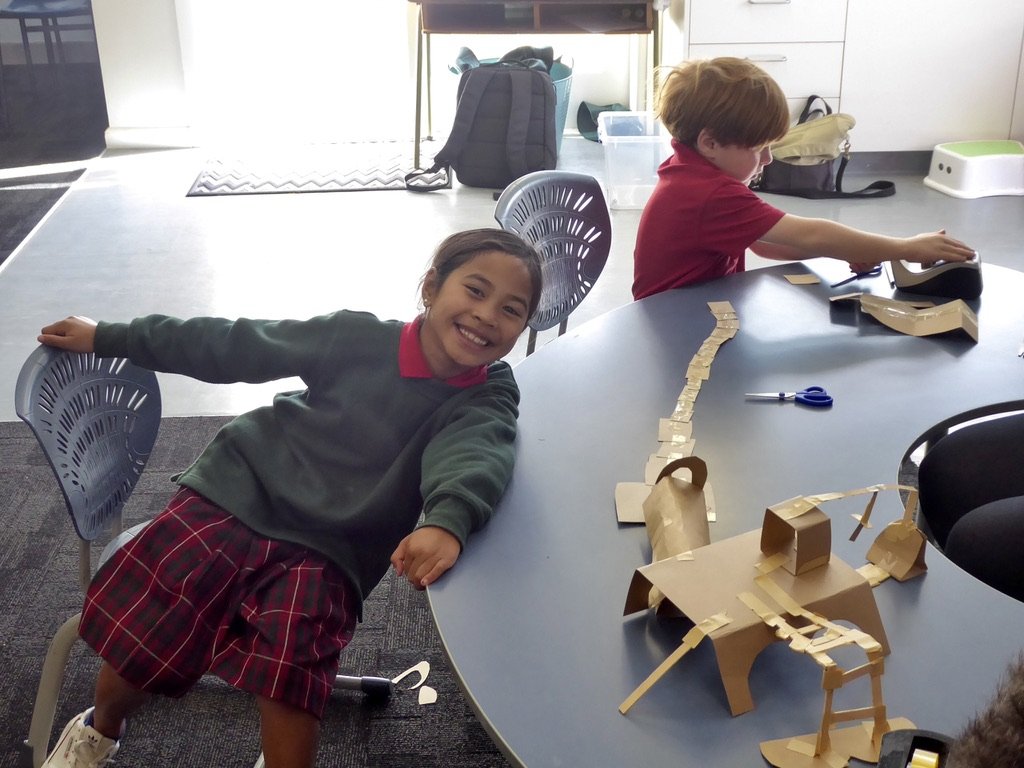
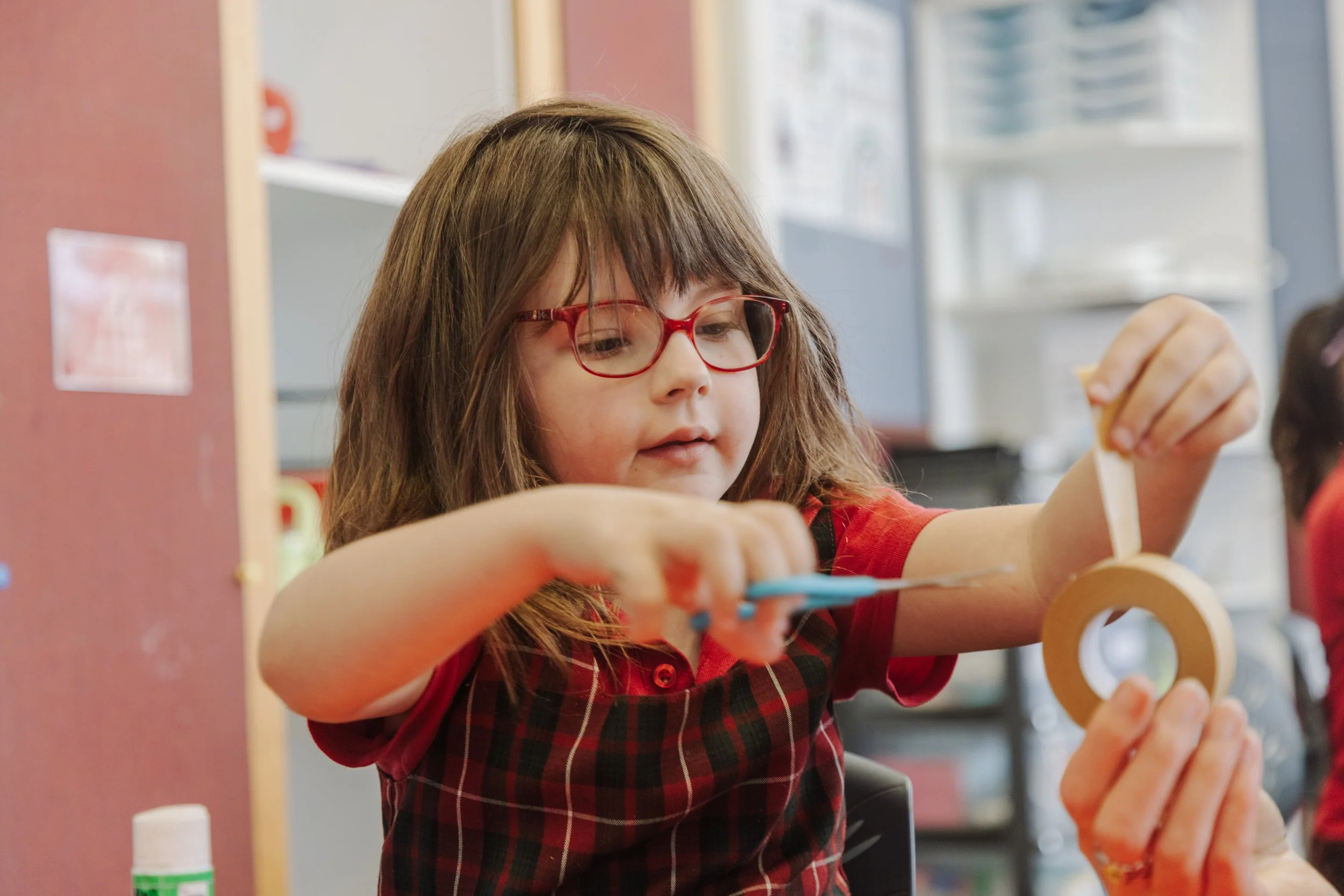
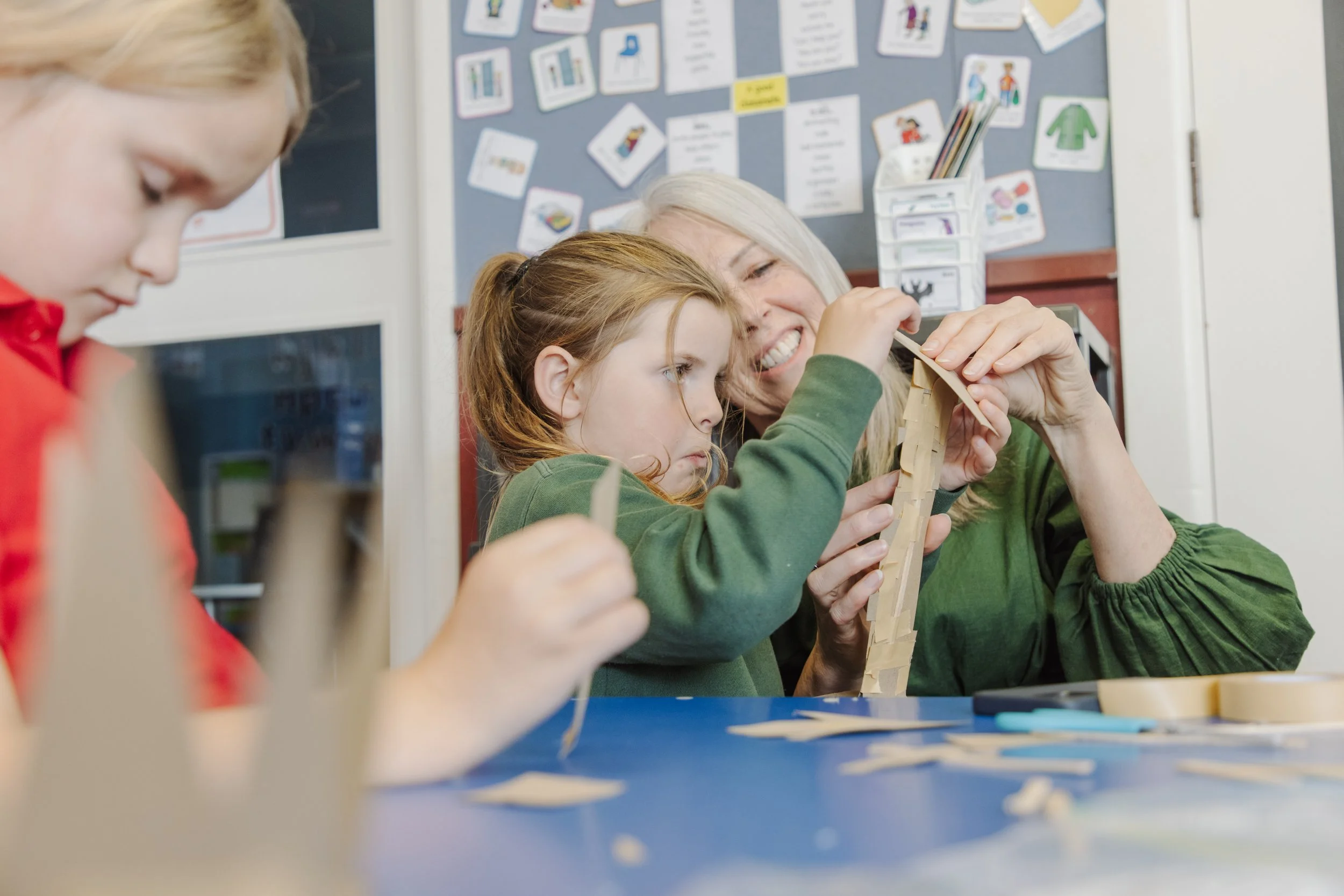
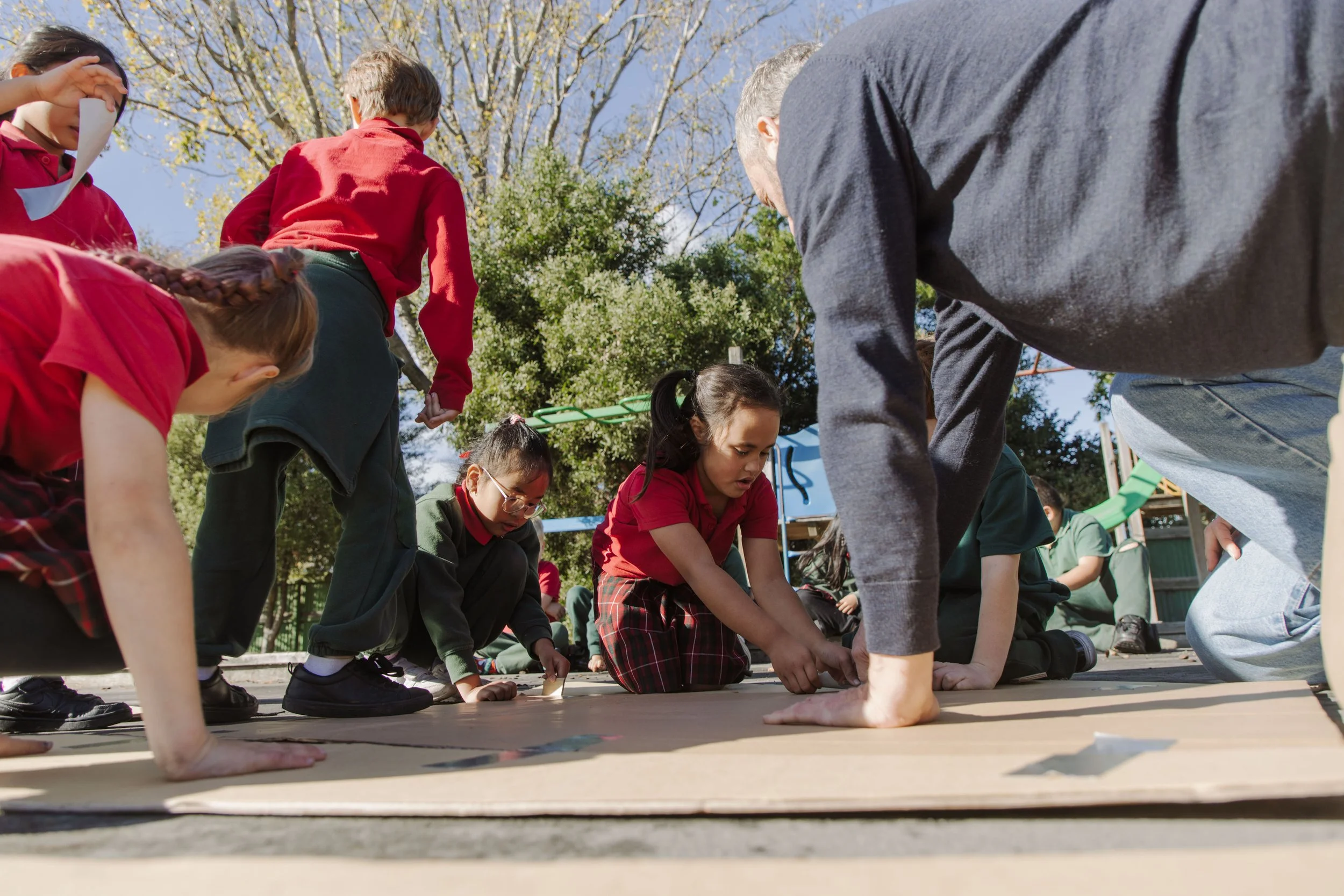
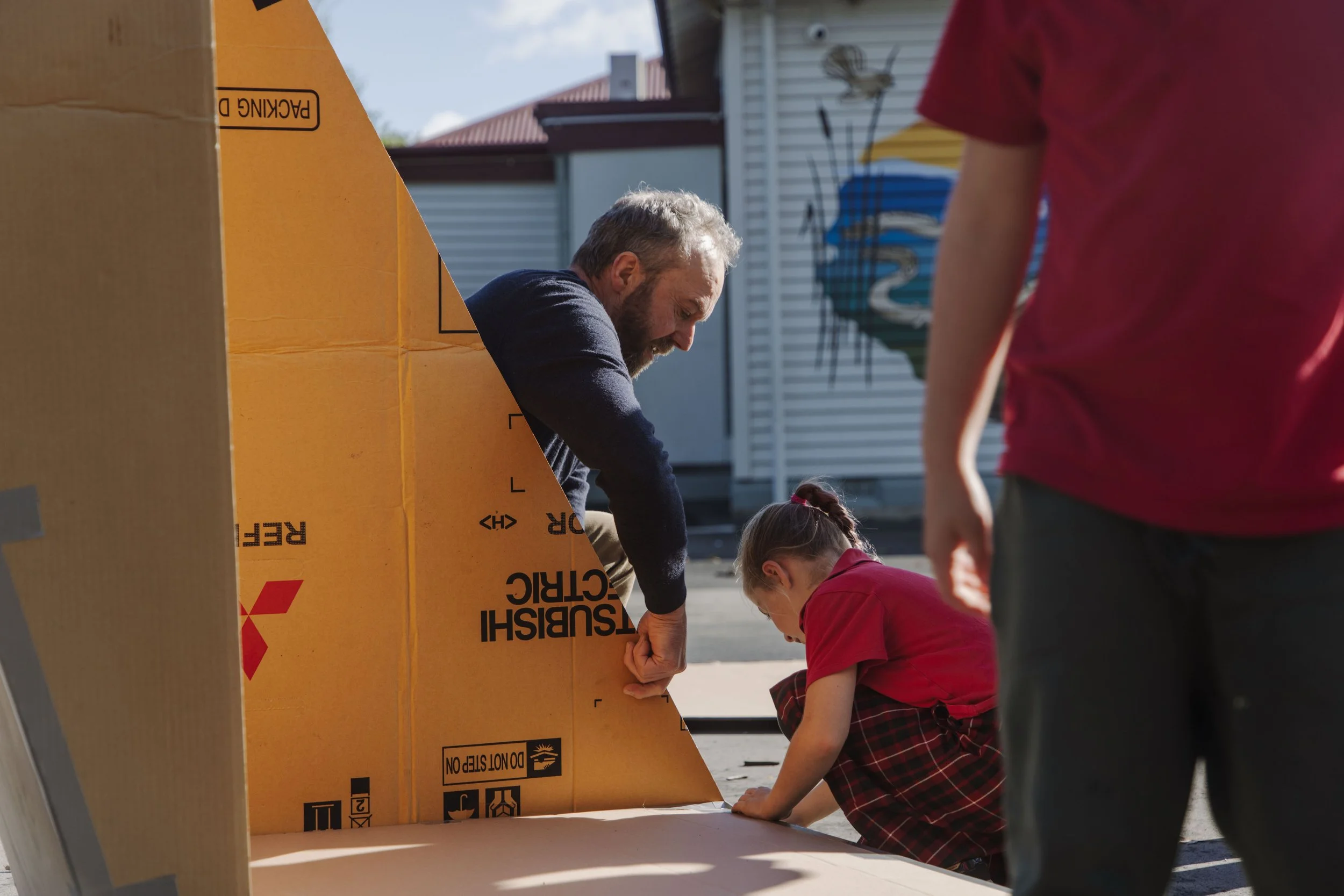
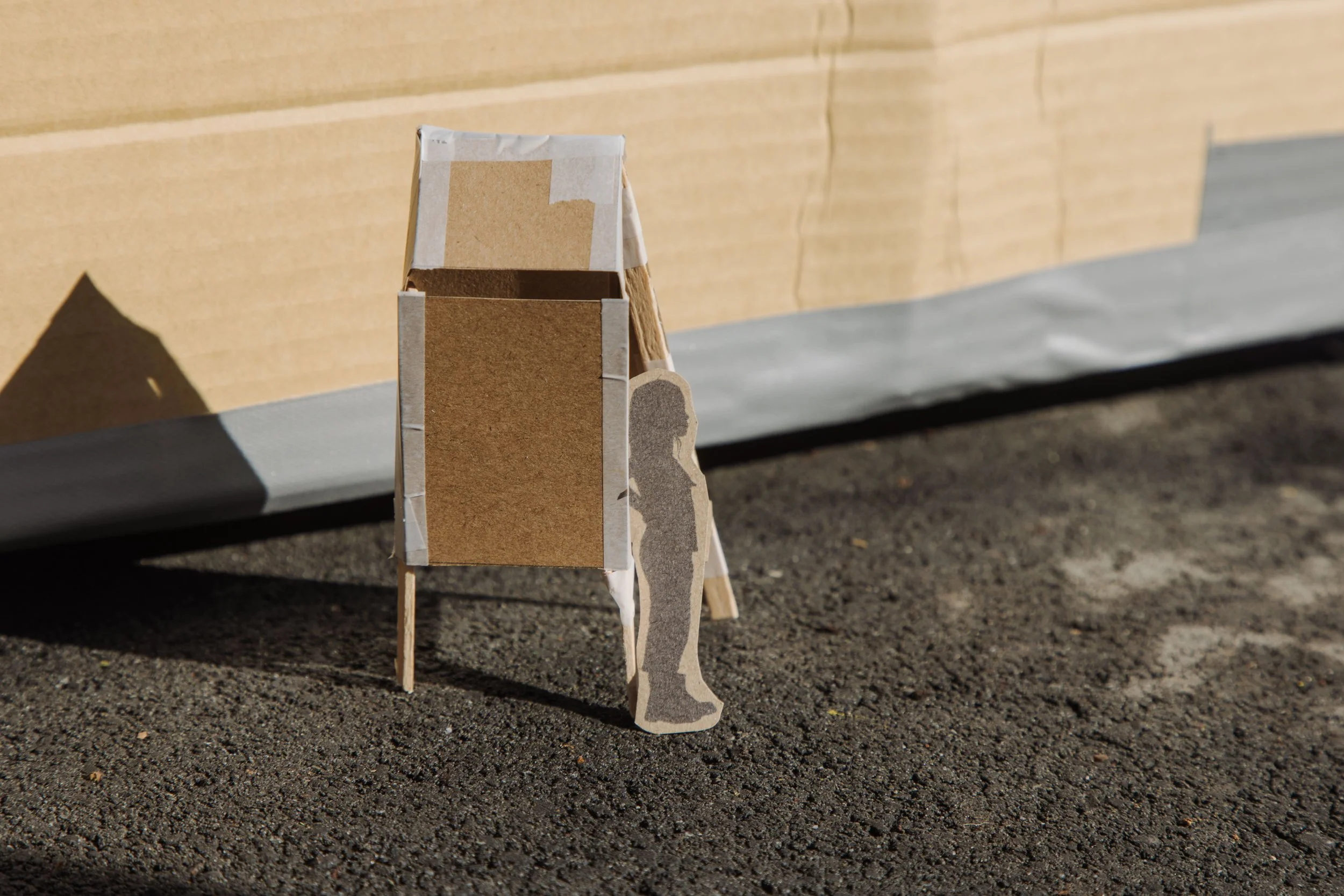
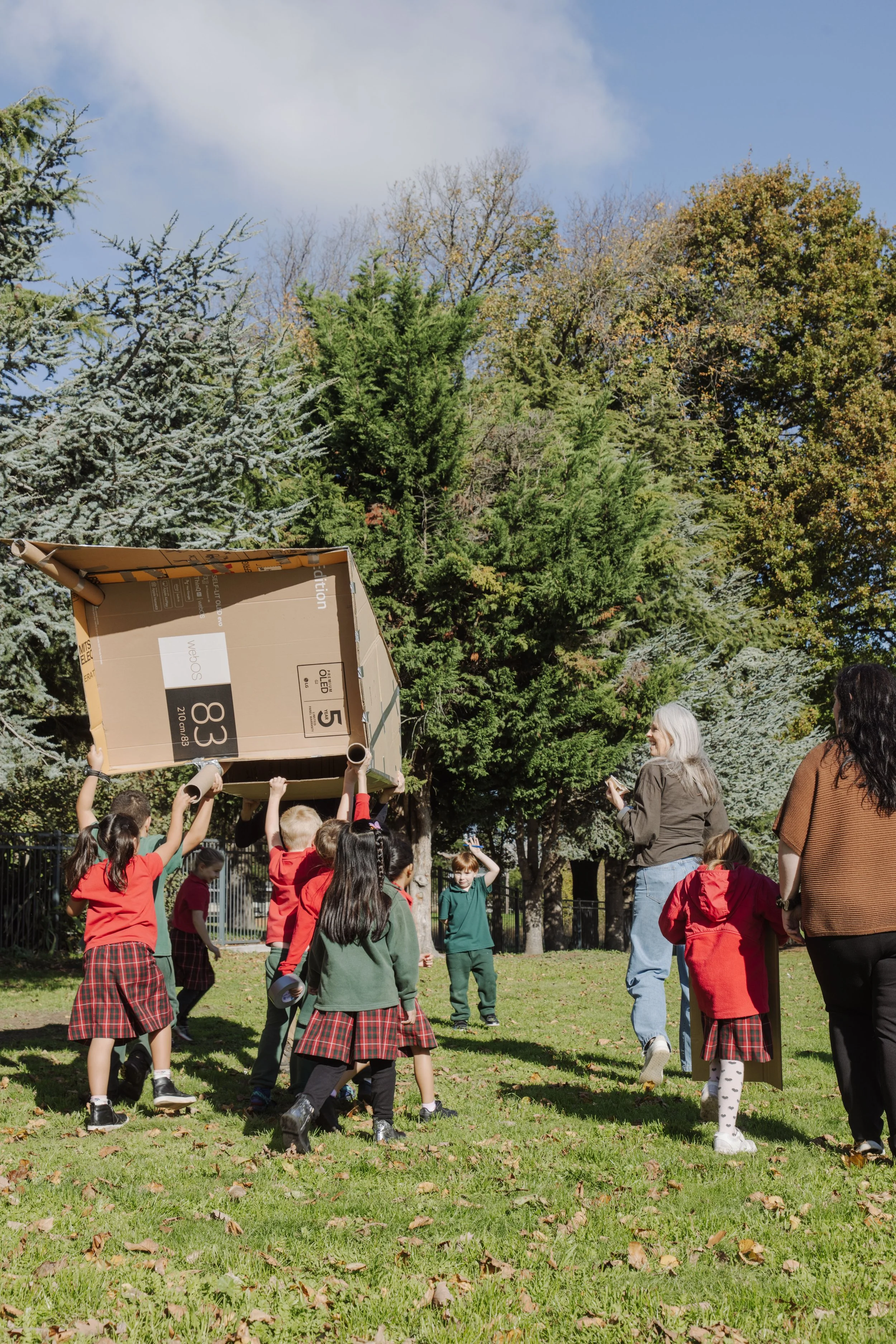
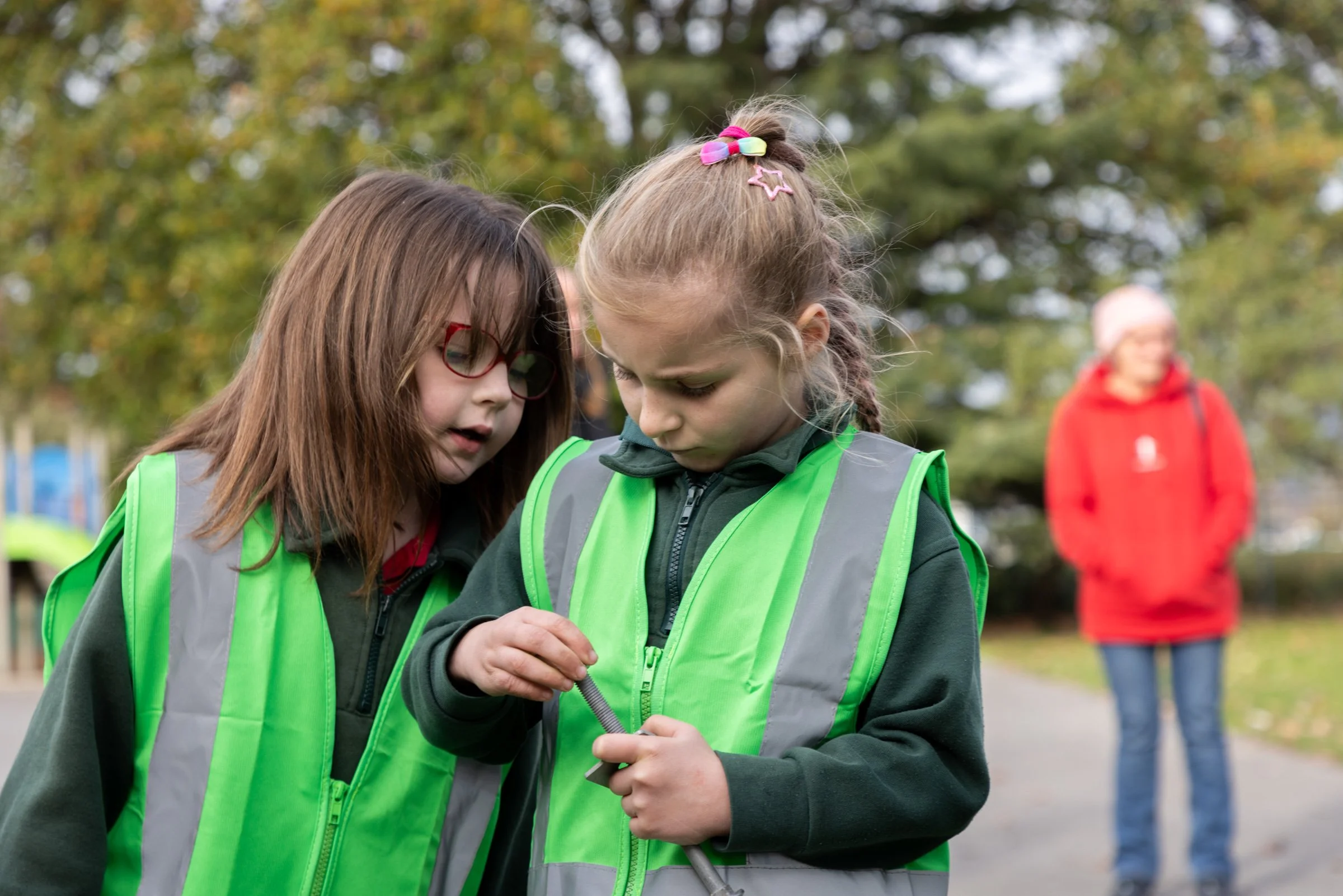
Working through a structured design thinking process - research, sketching, modelling, prototyping, and building - the children investigated how they used the playground and what felt missing from it. They photographed textures and spaces around the school, mapped their experiences onto aerial plans, and developed ideas through drawings, cardboard models, and full-scale prototypes. Over time, recurring themes began to emerge: places to climb, lookout spaces, hiding places, and opportunities for imaginative play and connection across different ages.
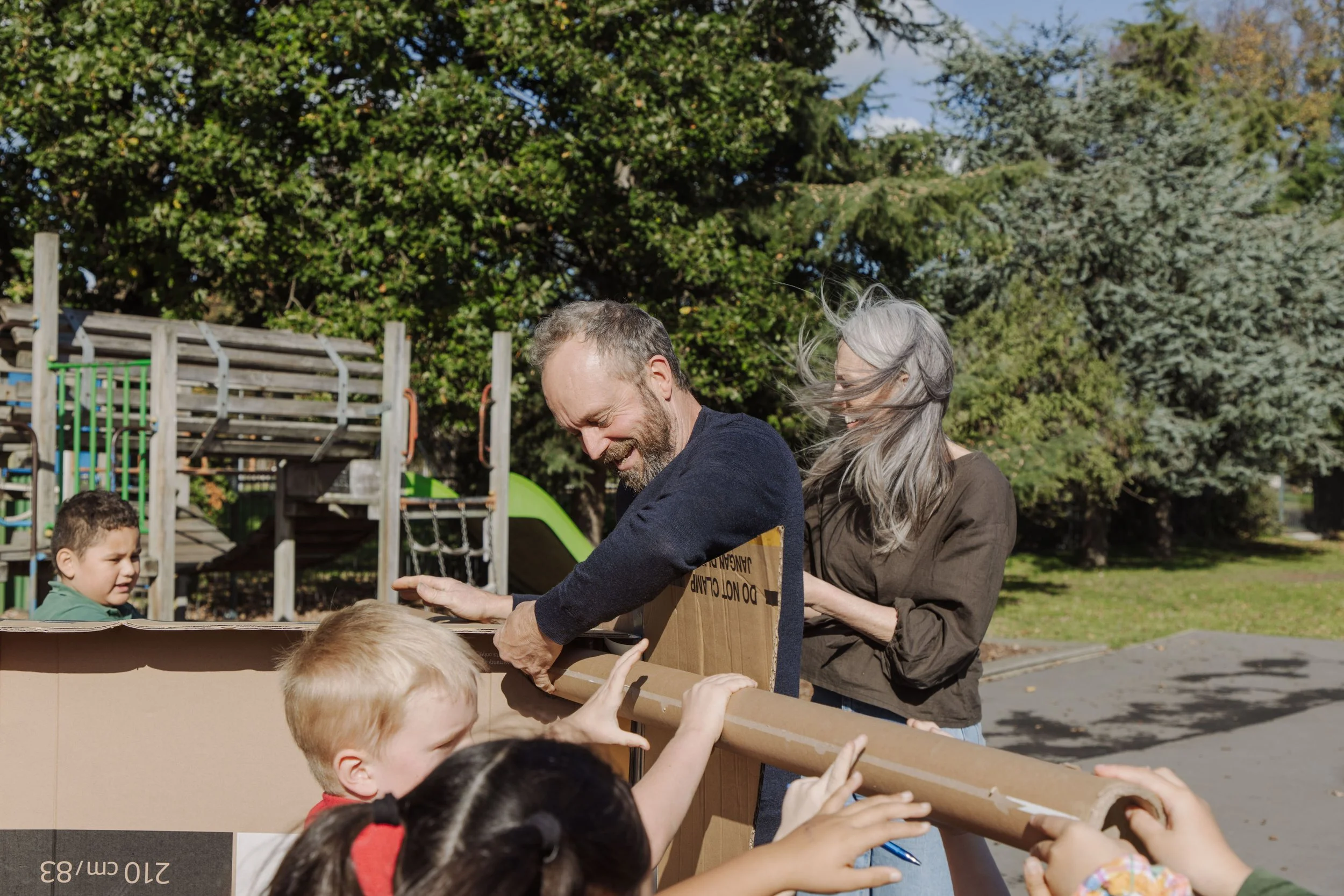
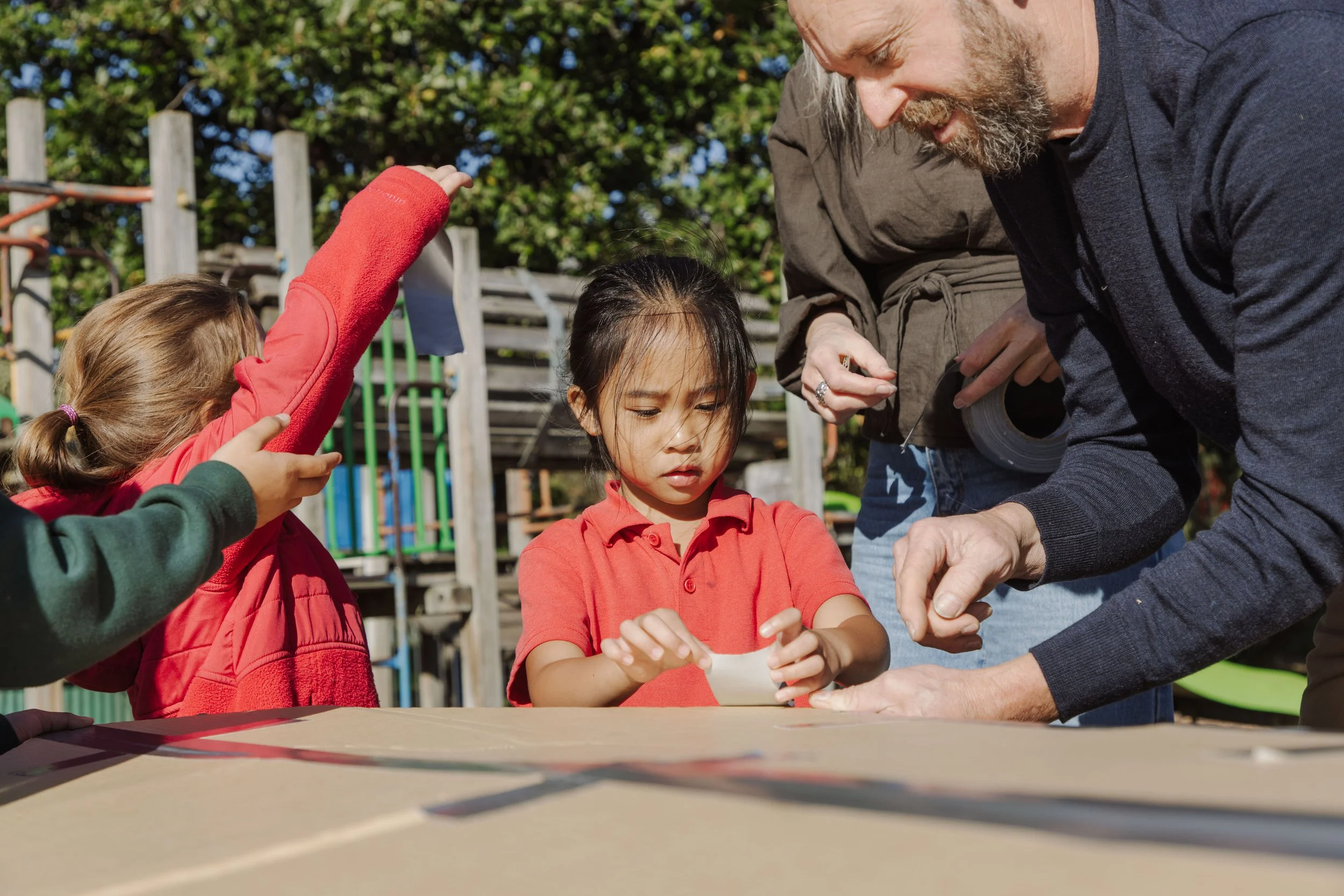
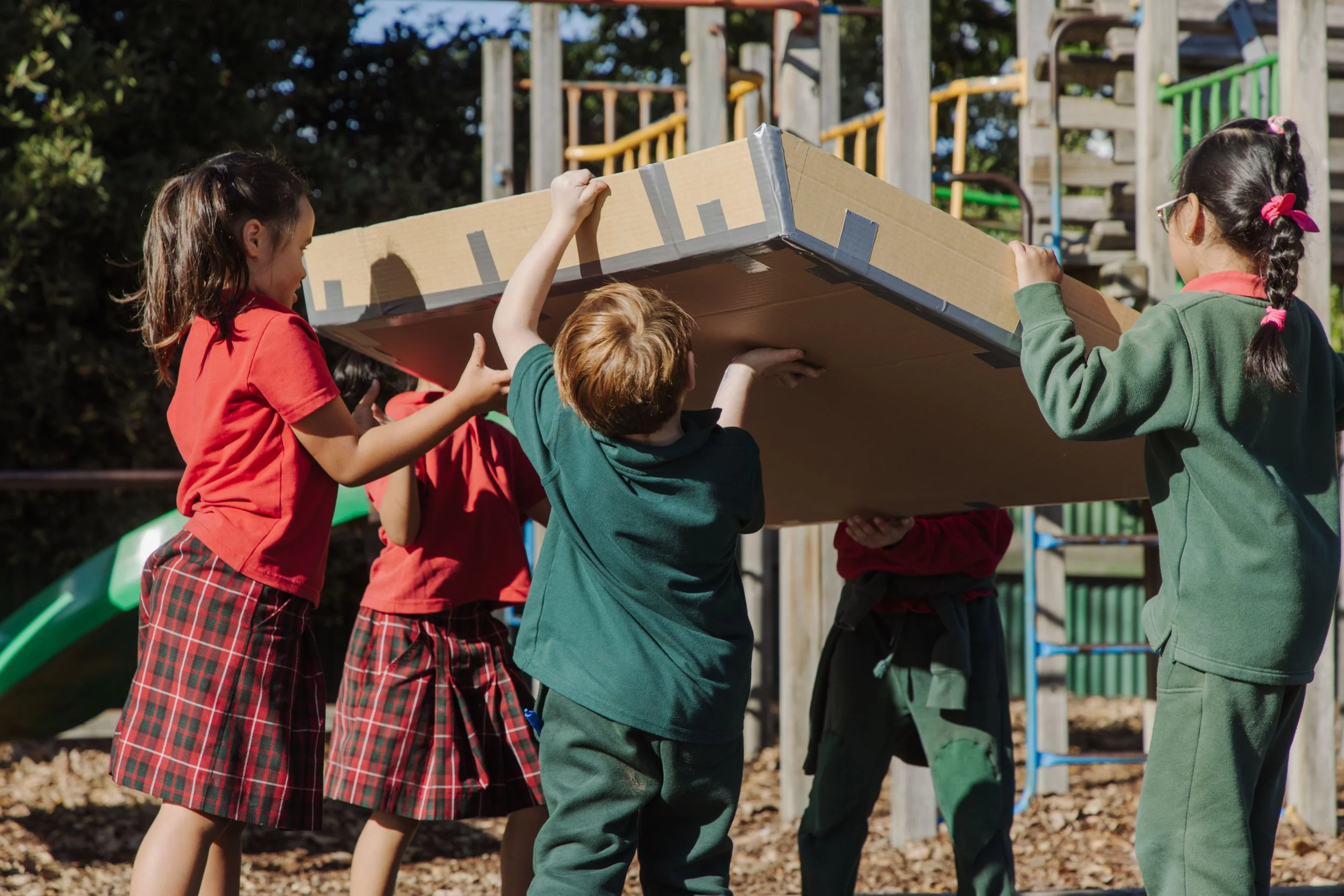
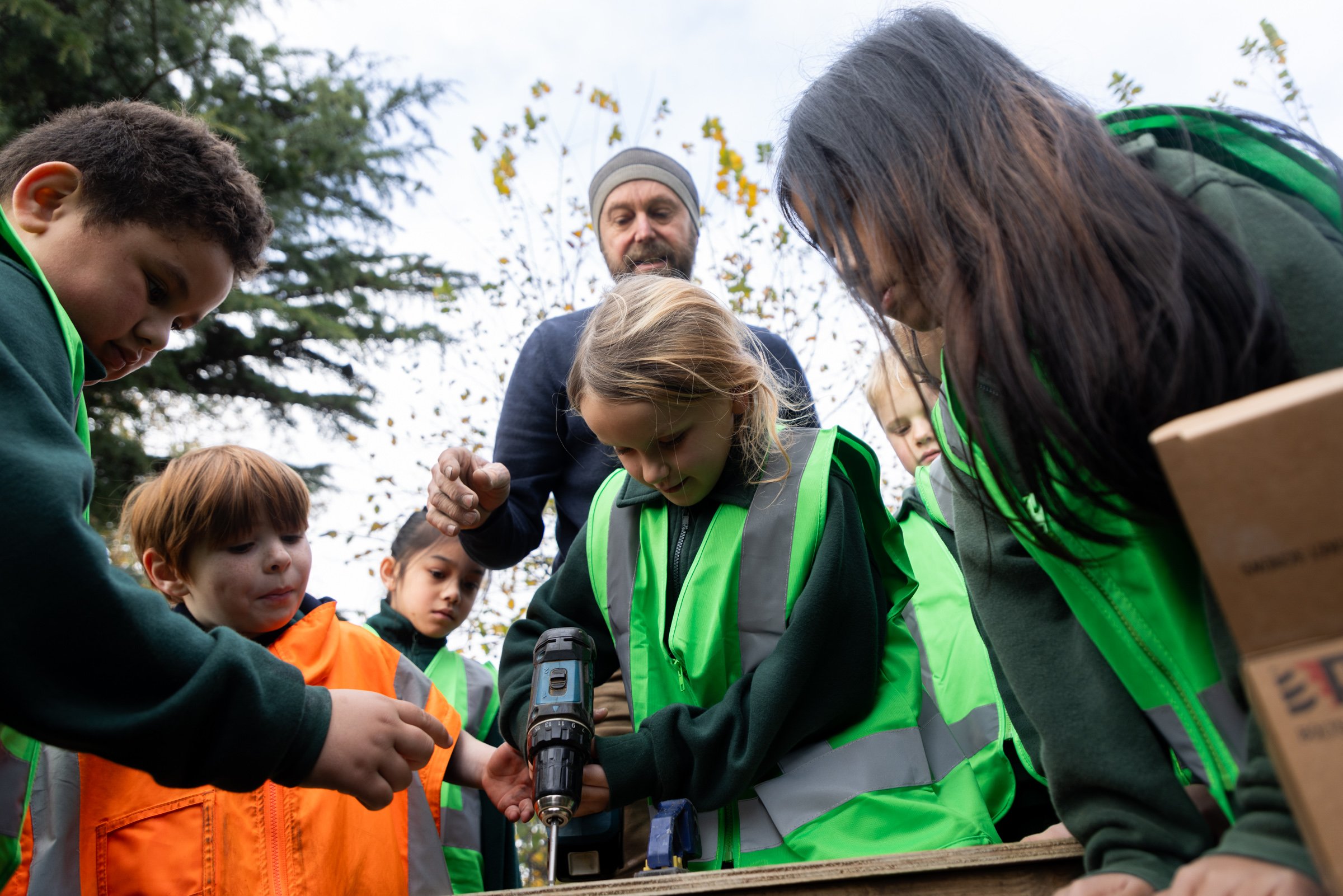
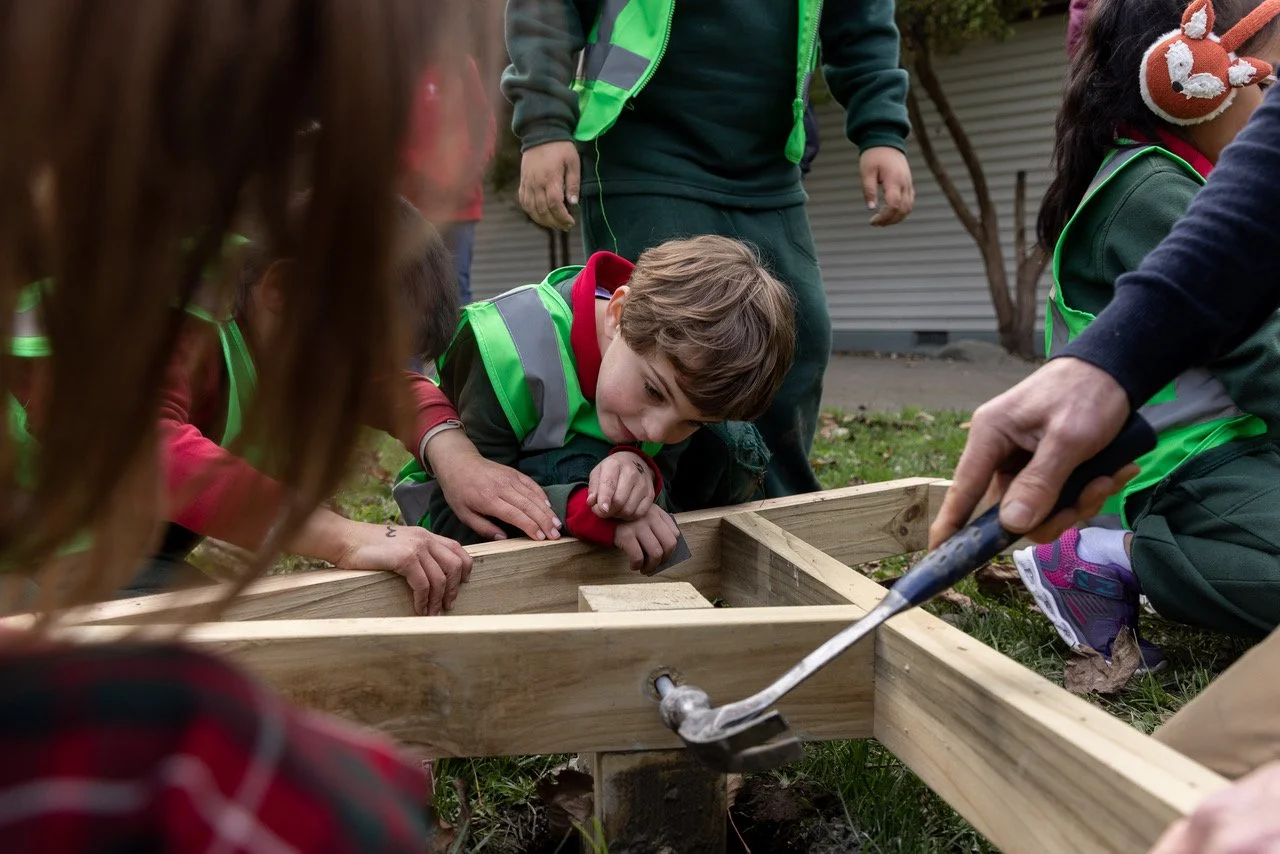
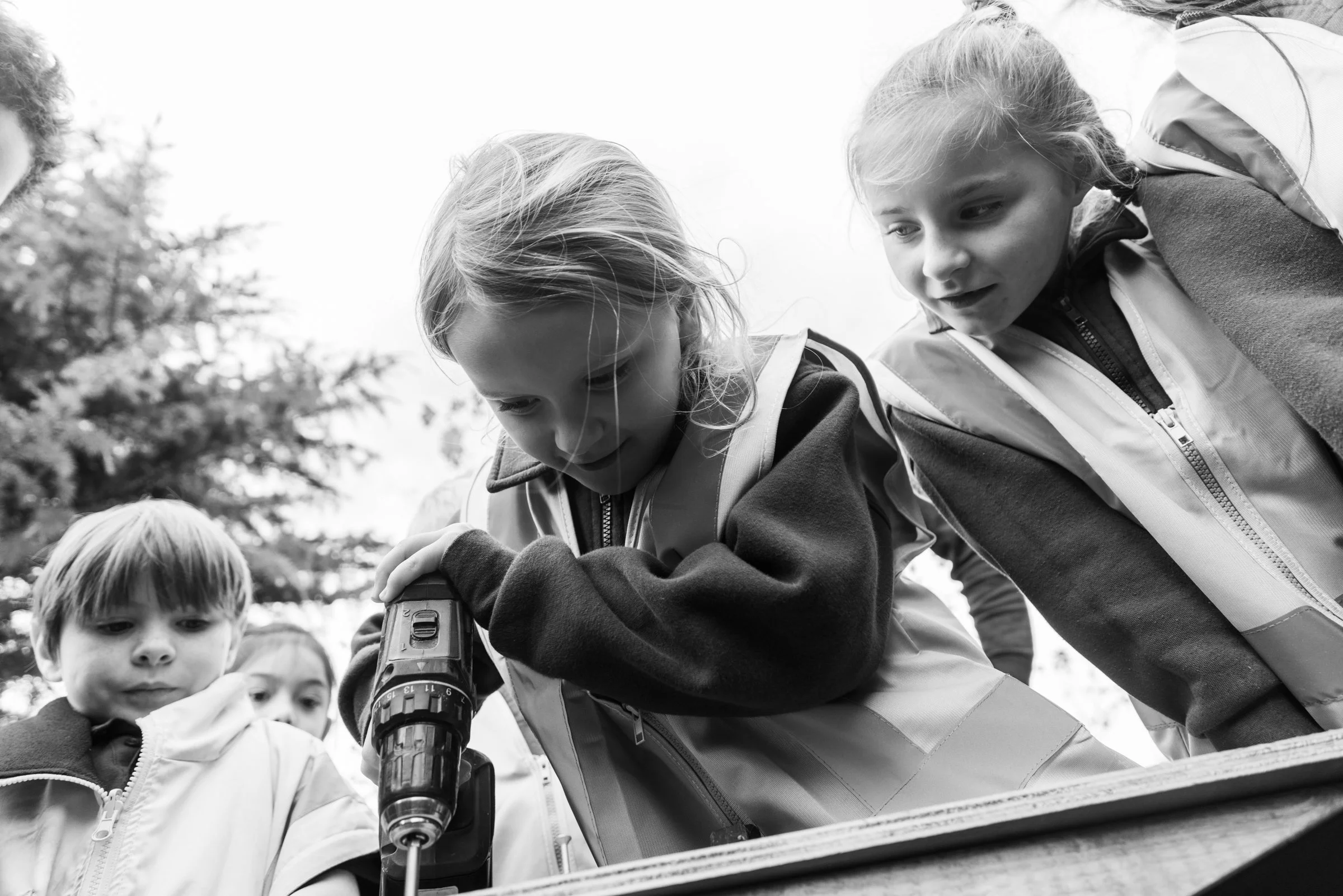
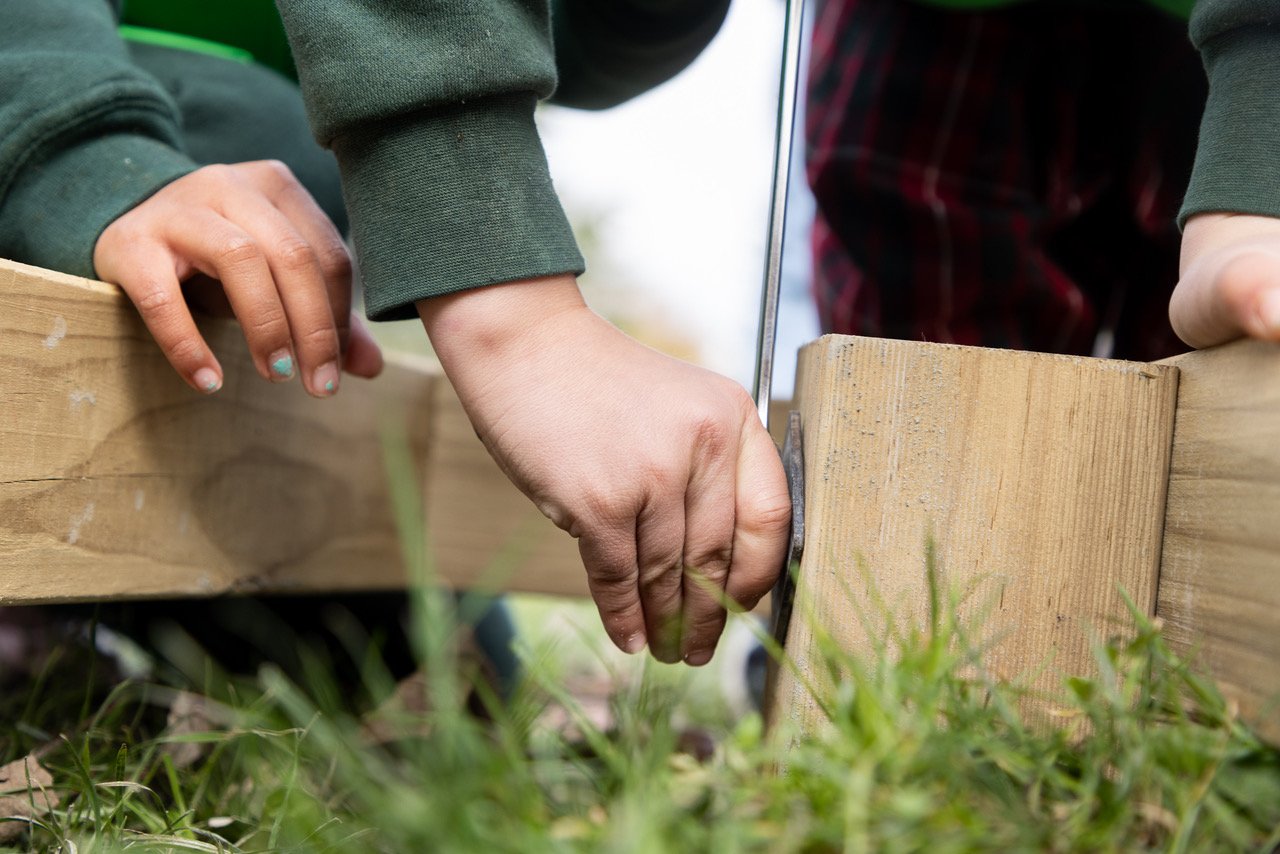
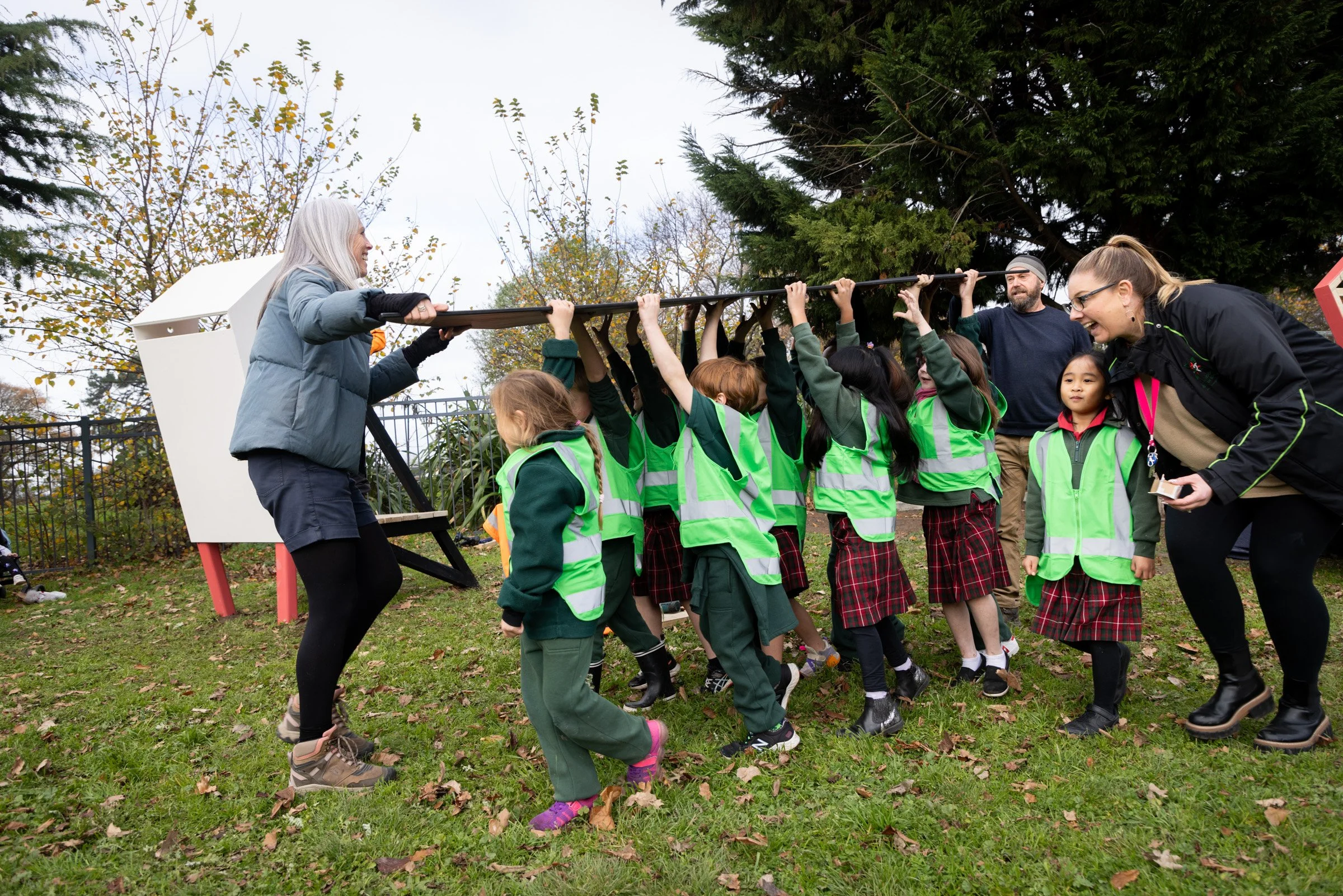
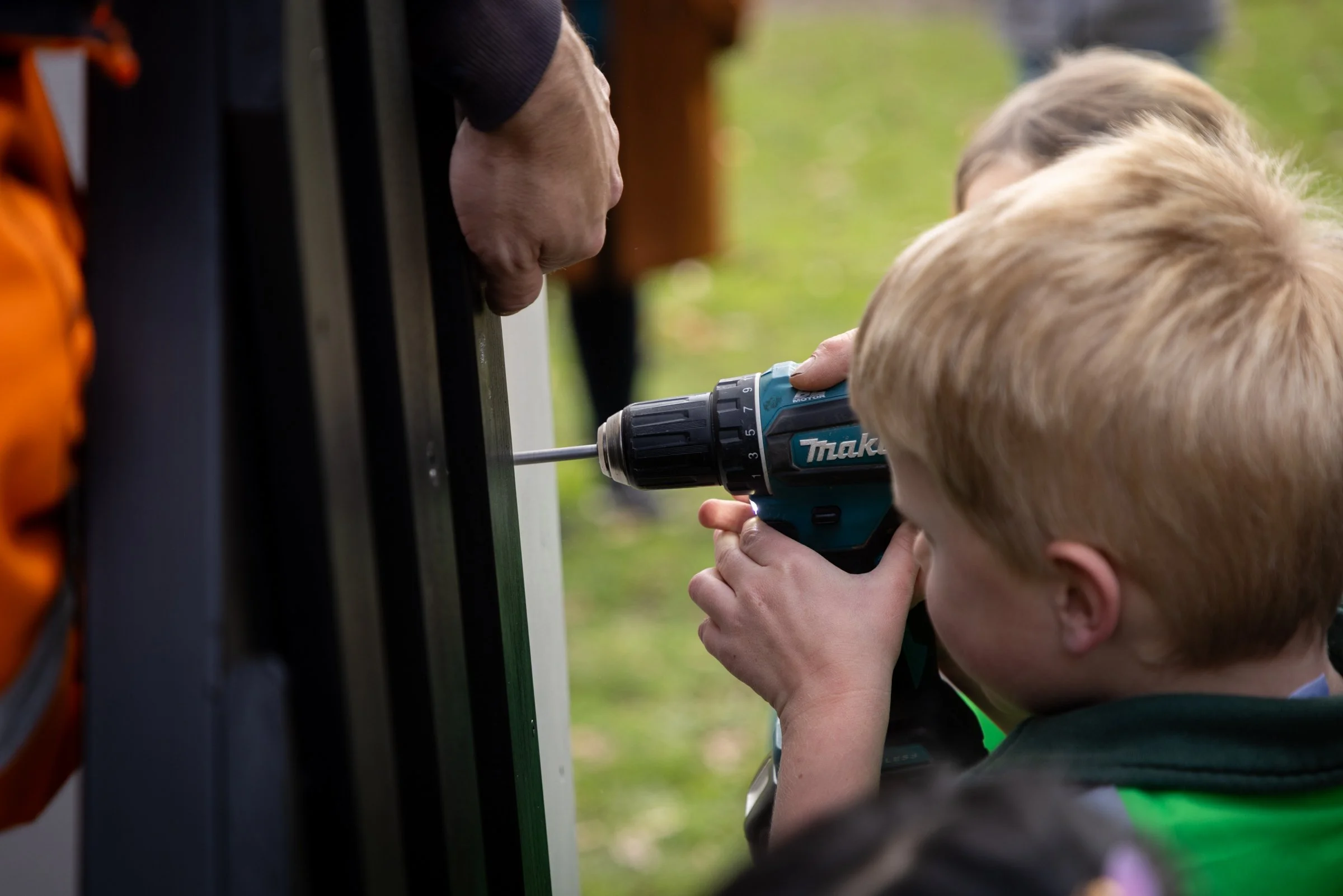
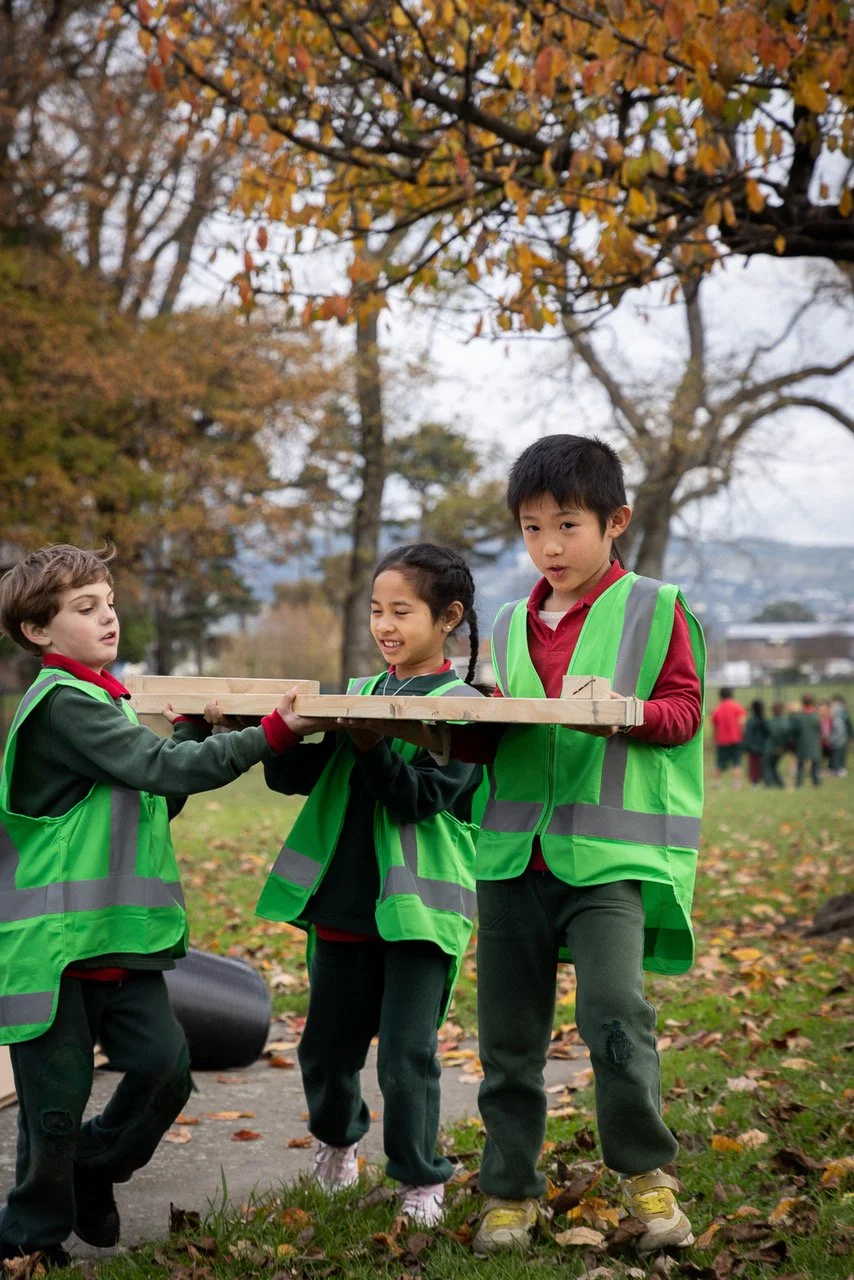
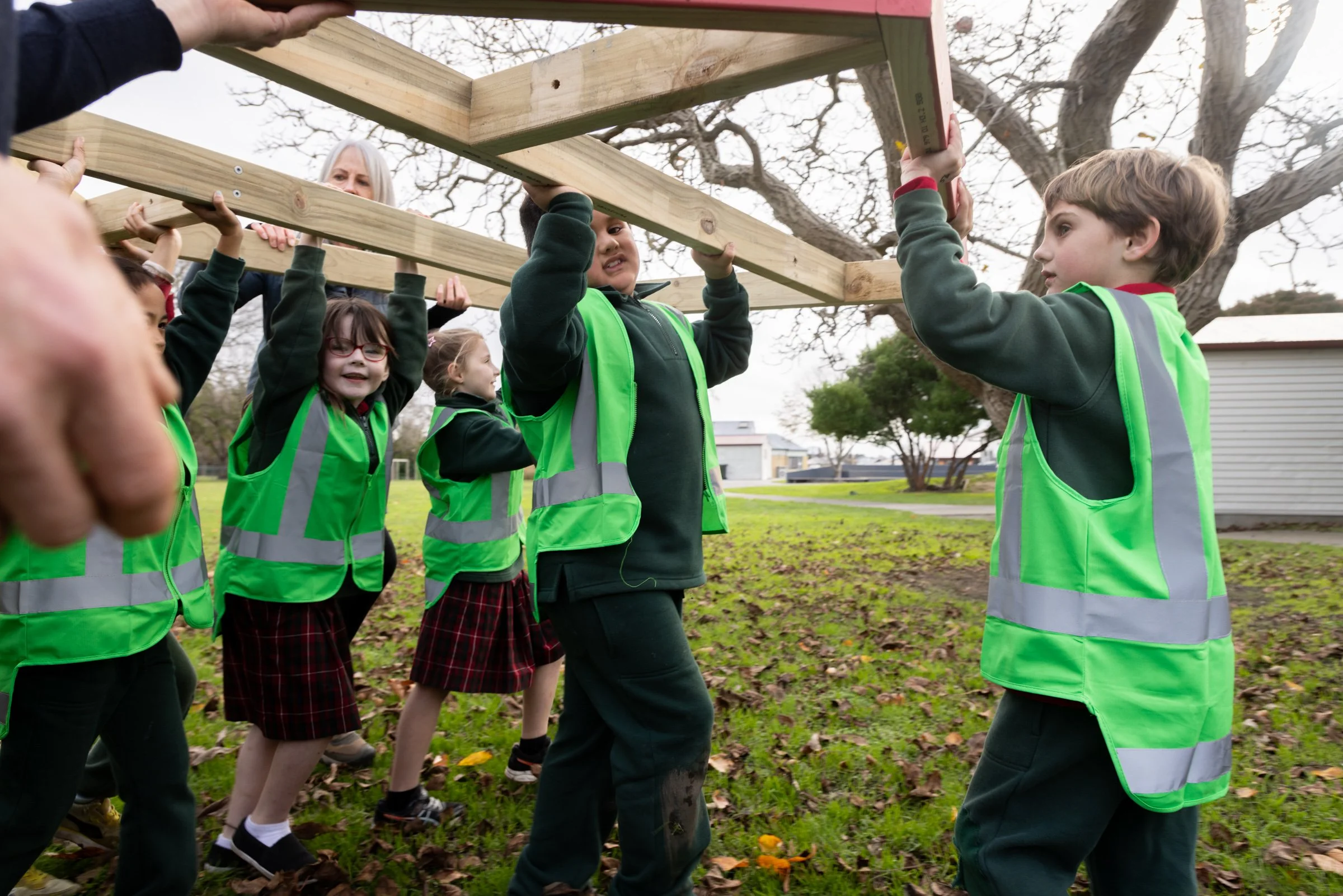
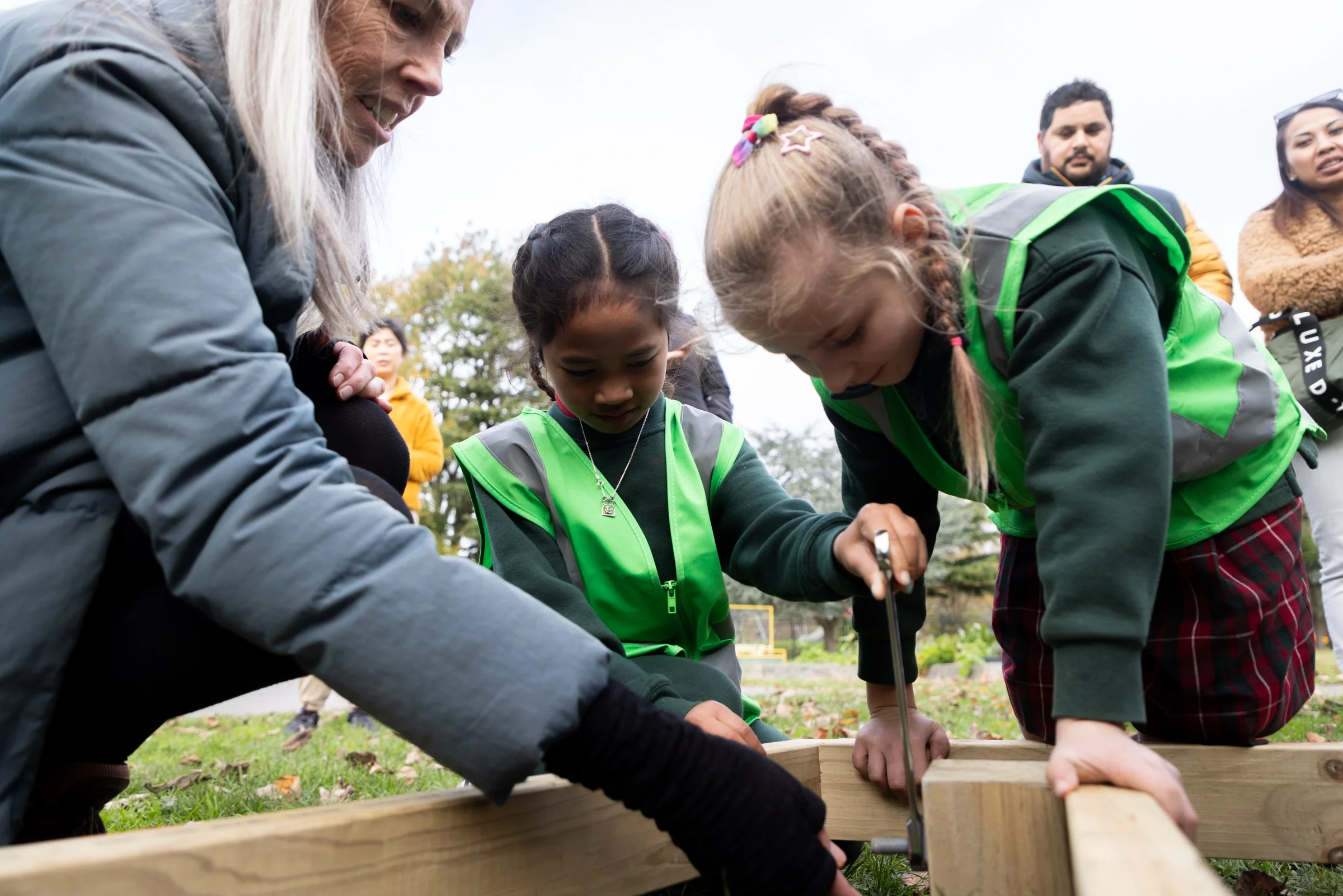
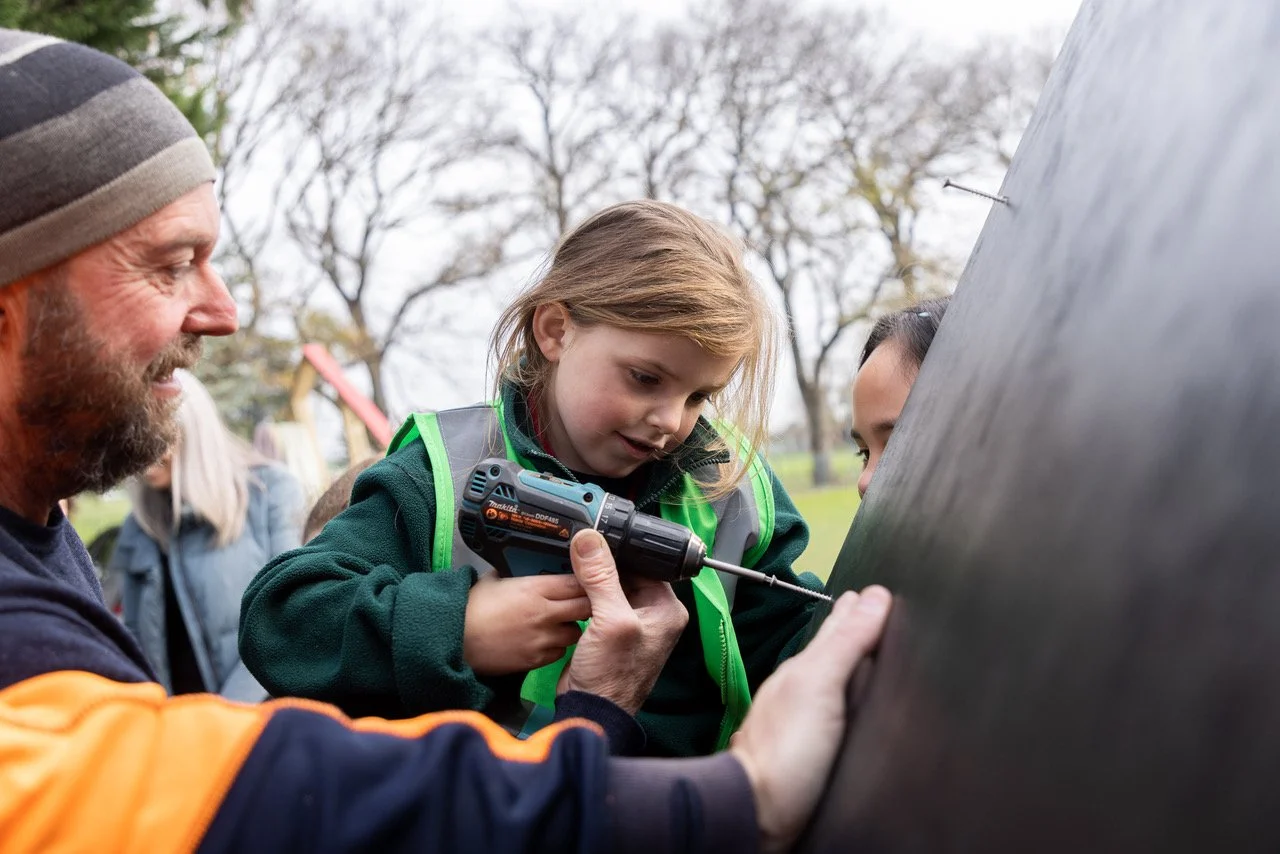
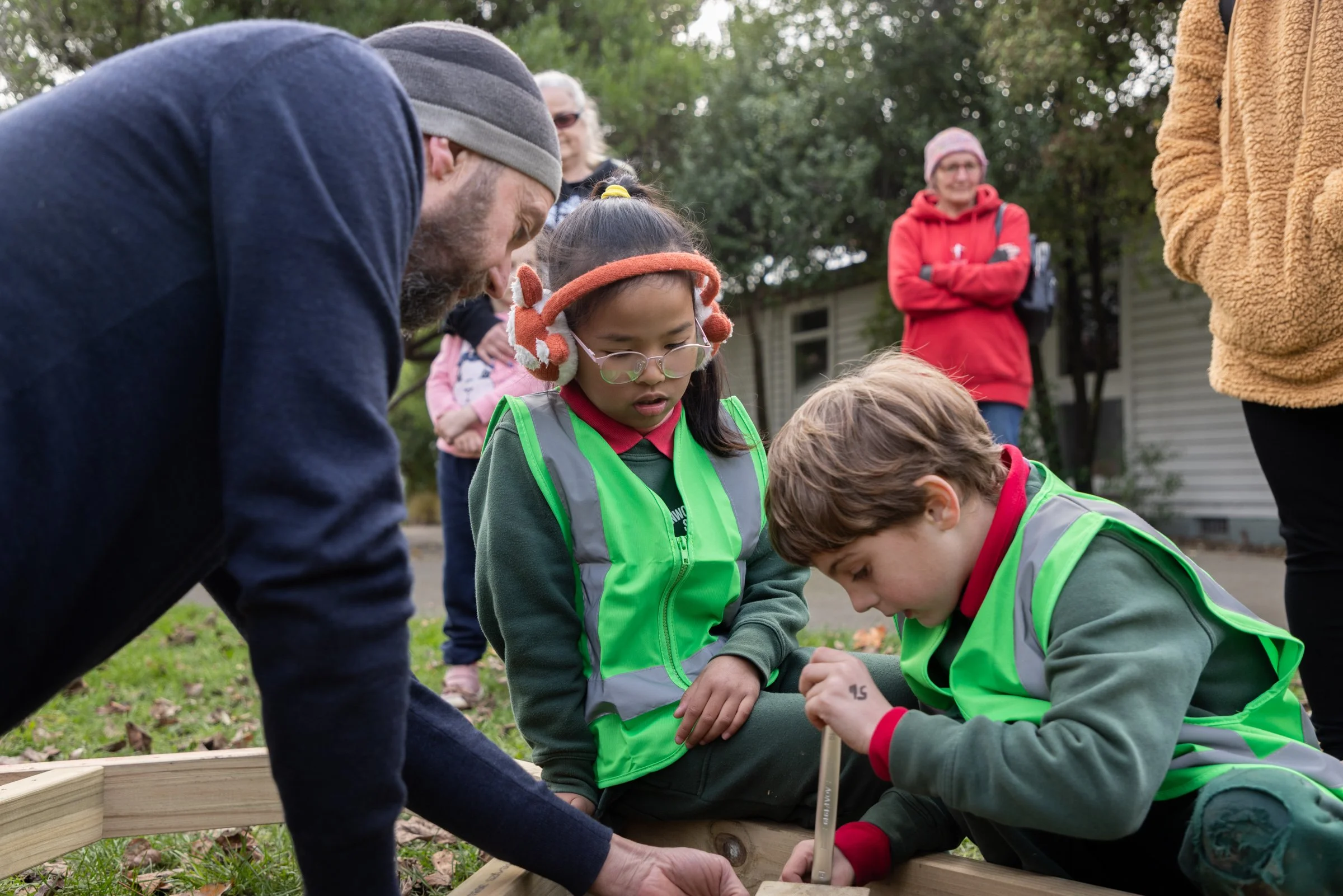
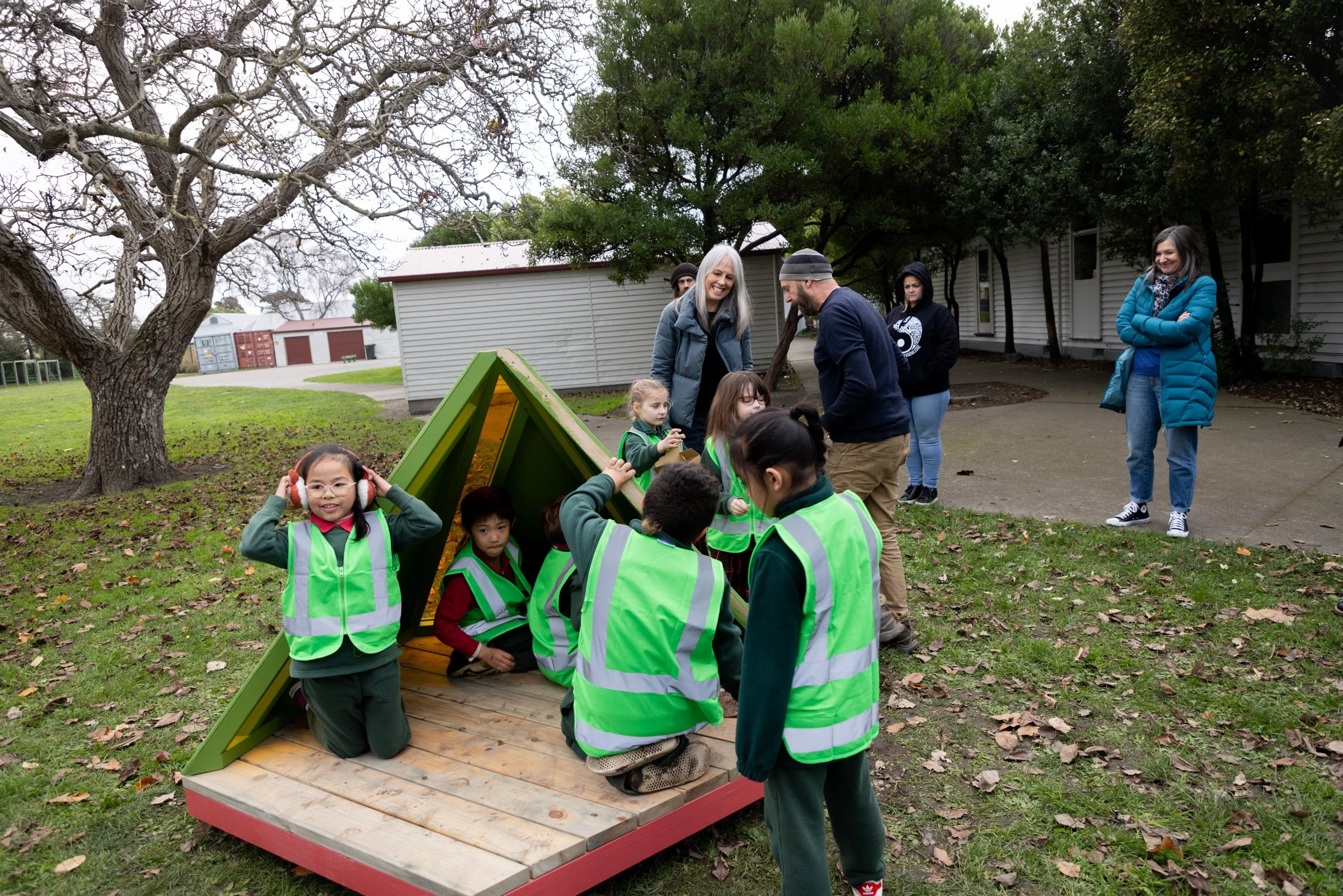
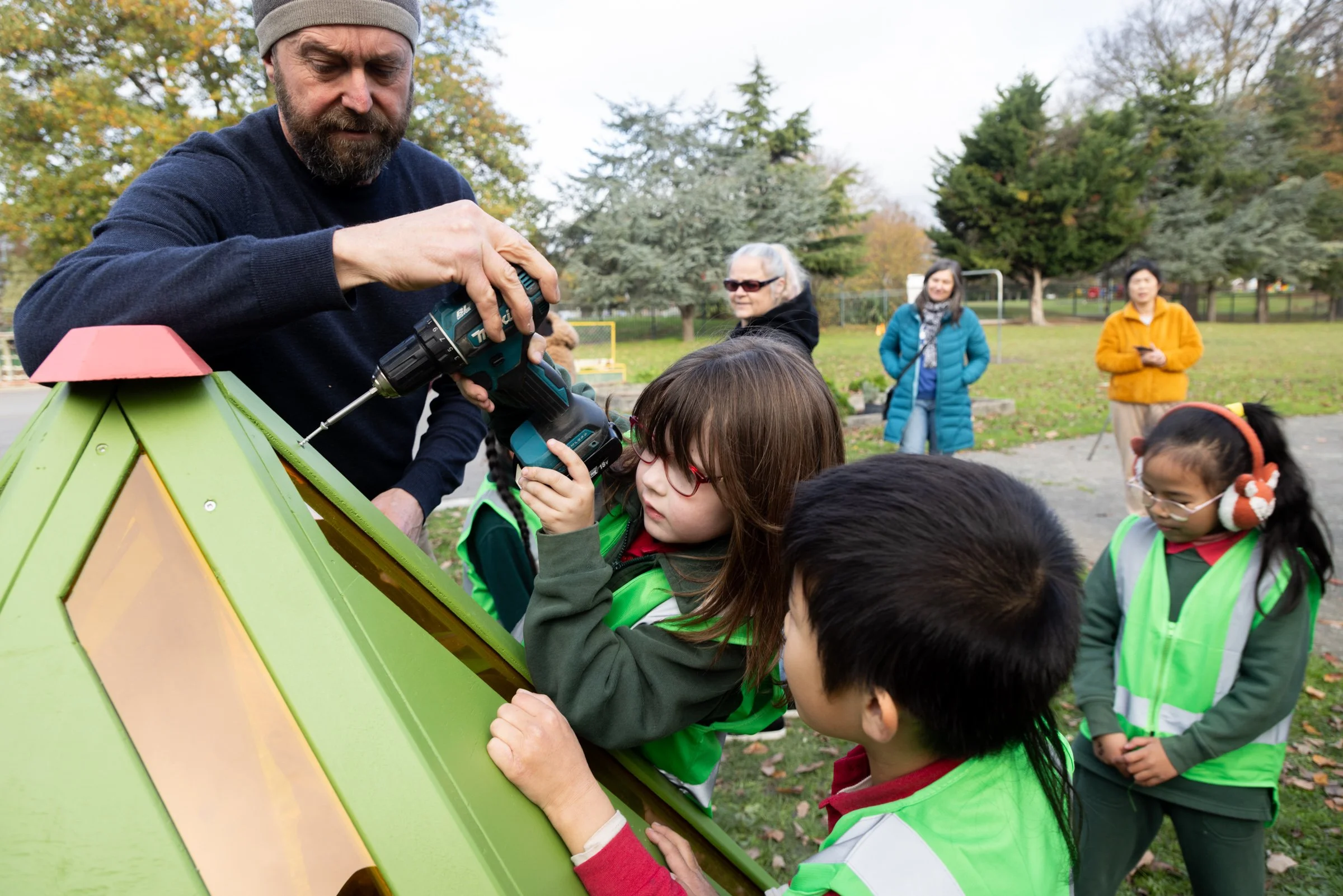
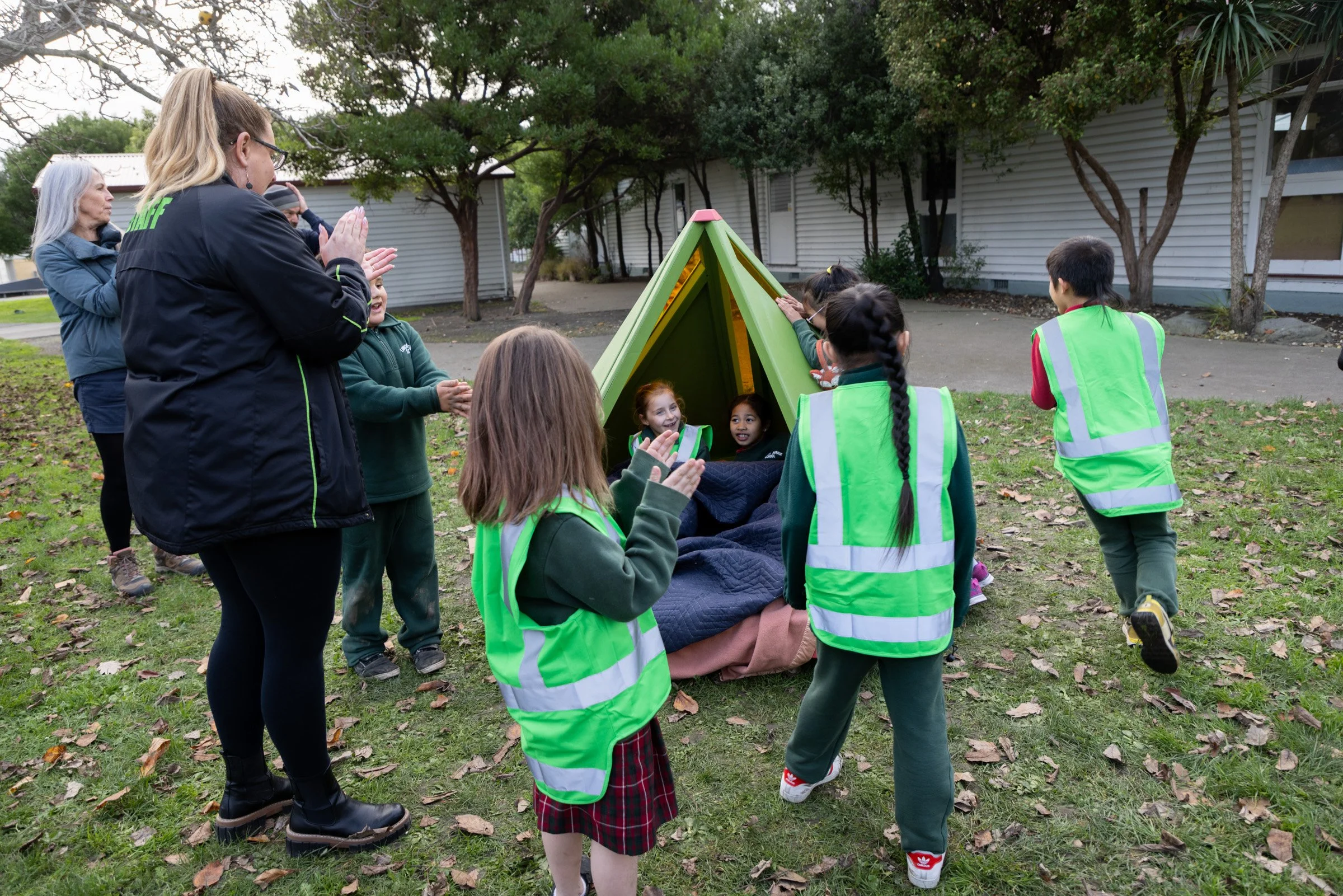
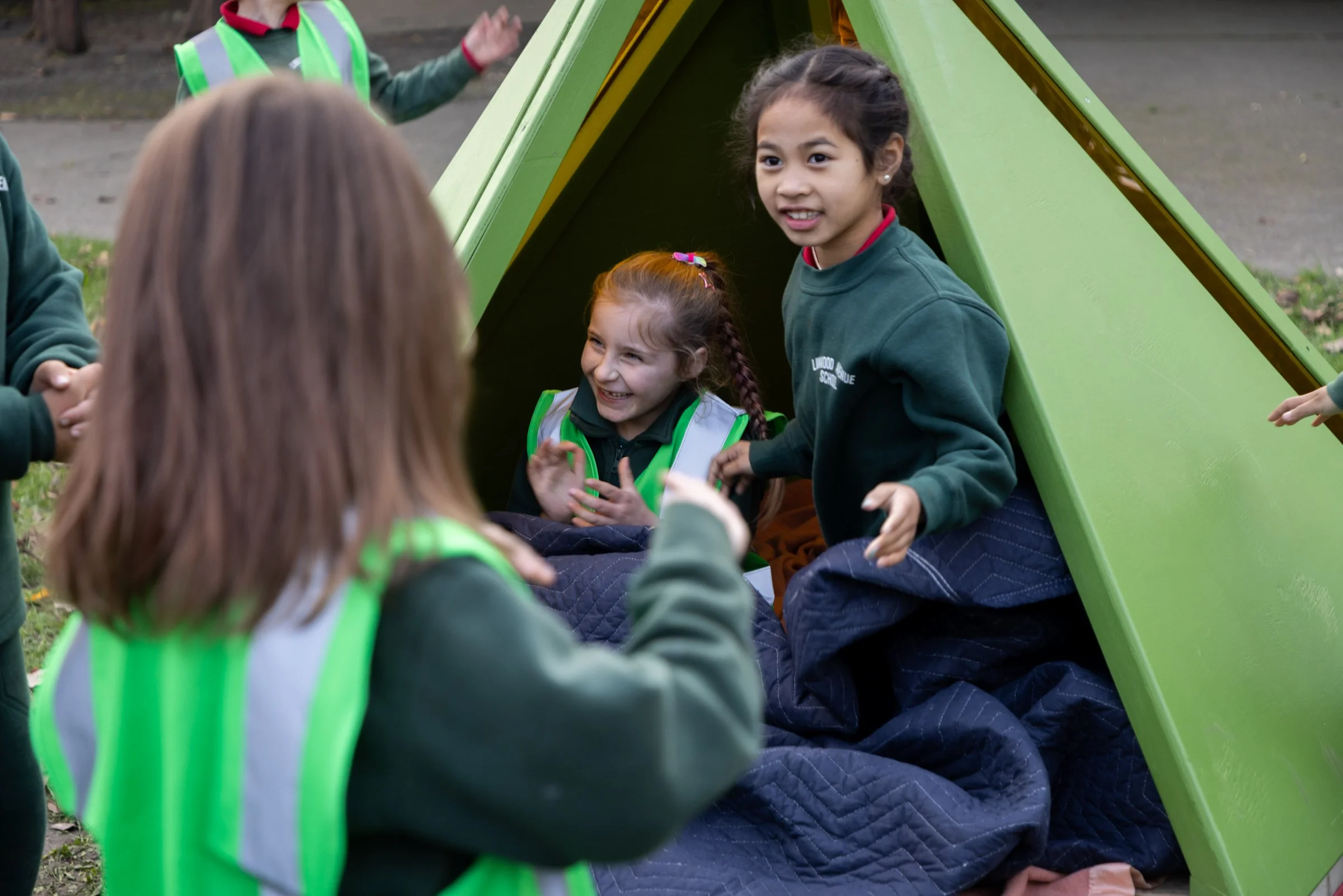
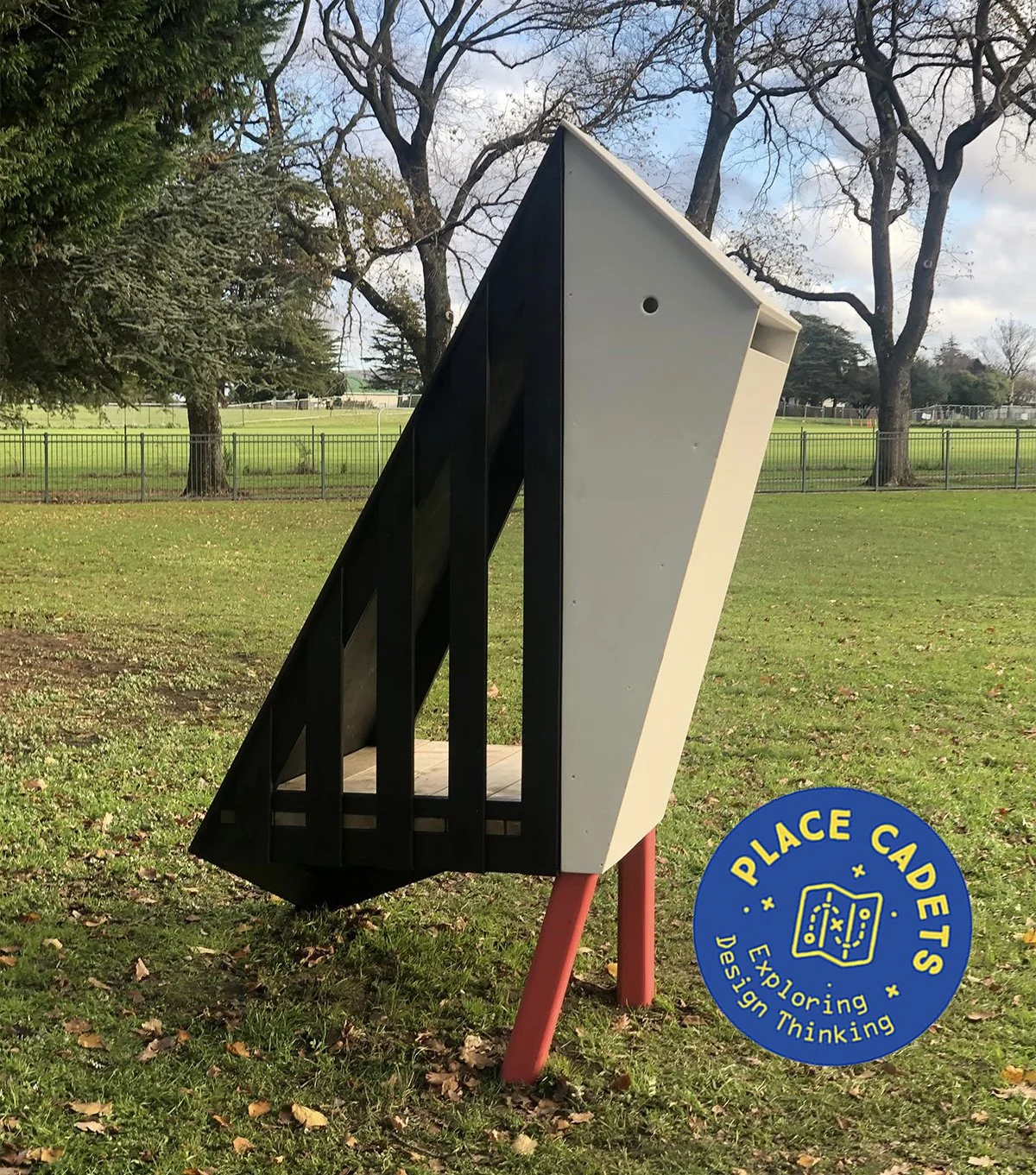
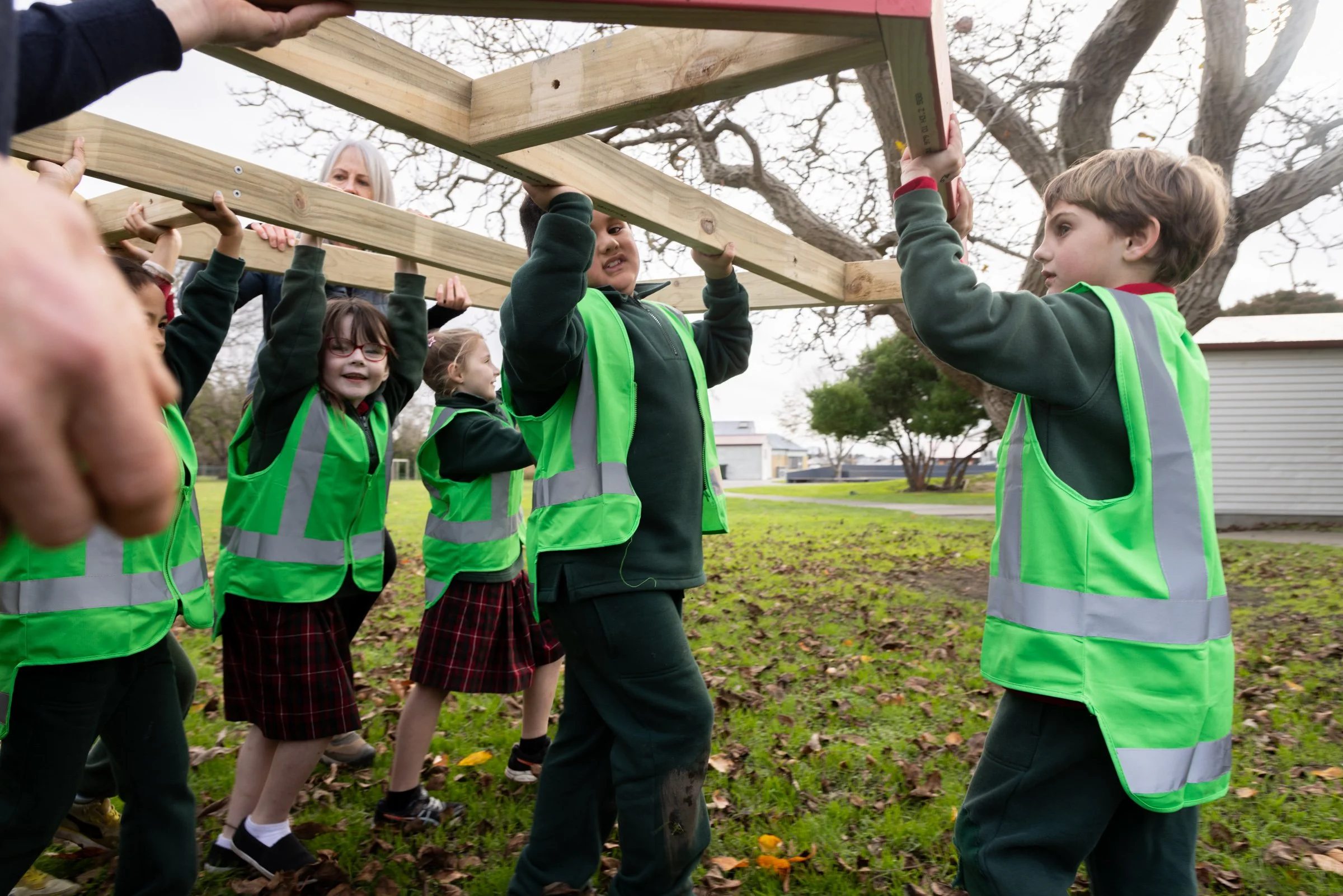
The final structures drew directly from both the children’s ideas and the local environment. A pied stilt-inspired lookout and a mānuka seed pod structure referenced species and forms connected to Te Ihutai and the surrounding wetlands, while also responding to the children’s aspirations for adventure and shelter. During the build phase, tamariki, whānau, and teachers assembled the structures together, creating a strong sense of collective ownership and pride.
Beyond the physical outcome, the project revealed the capability of young children to contribute thoughtfully to complex design processes. Students developed confidence, persistence, collaboration, and practical skills through making and testing ideas together. The resulting play spaces are not only places to climb and explore, but places shaped by local stories, relationships, and the experiences of the children who use them every day.
“It’s potentially life changing for these kids … the catalyst that determines their future direction. You could see it. These kids are going to go on to do some sort of design. It just sparked it in them. I was like, that is cool, that is cool!”
- Kristine Telea, Teacher